The Role of Local Cuisine in Cypriot Culture
Food is never “just food.” In North Cyprus, what people cook, share, and serve on ordinary days becomes a living record of where they’ve been—through seasons, faith, trade, and family life. If you’ve ever wondered why Cypriot dishes taste the way they do, or why meals matter so much during visits and celebrations, this guide is for you.
When you search for local cuisine, you usually want answers to questions like:
- What should I actually try in North Cyprus (beyond the basics)?
- Which ingredients define Cypriot cooking and why are they used so often?
- How do food and hospitality shape everyday culture and special events?
According to the overview of Cypriot food?utm_source=hotelclubz.com, Cypriot cuisine reflects influences shaped by geography and history across the island. And on the cultural side, culinary traditions around the Mediterranean are widely discussed as forms of community knowledge—passed through recipes, hosting practices, and shared meals (see, for example, the UNESCO discussion on traditional diets?utm_source=hotelclubz.com).
By the end, you’ll understand (1) the core ingredients and signature dishes, (2) how these flavors show up in both daily life and holidays, and (3) how to choose what to order or plan for on your North Cyprus holiday—without needing a food dictionary.
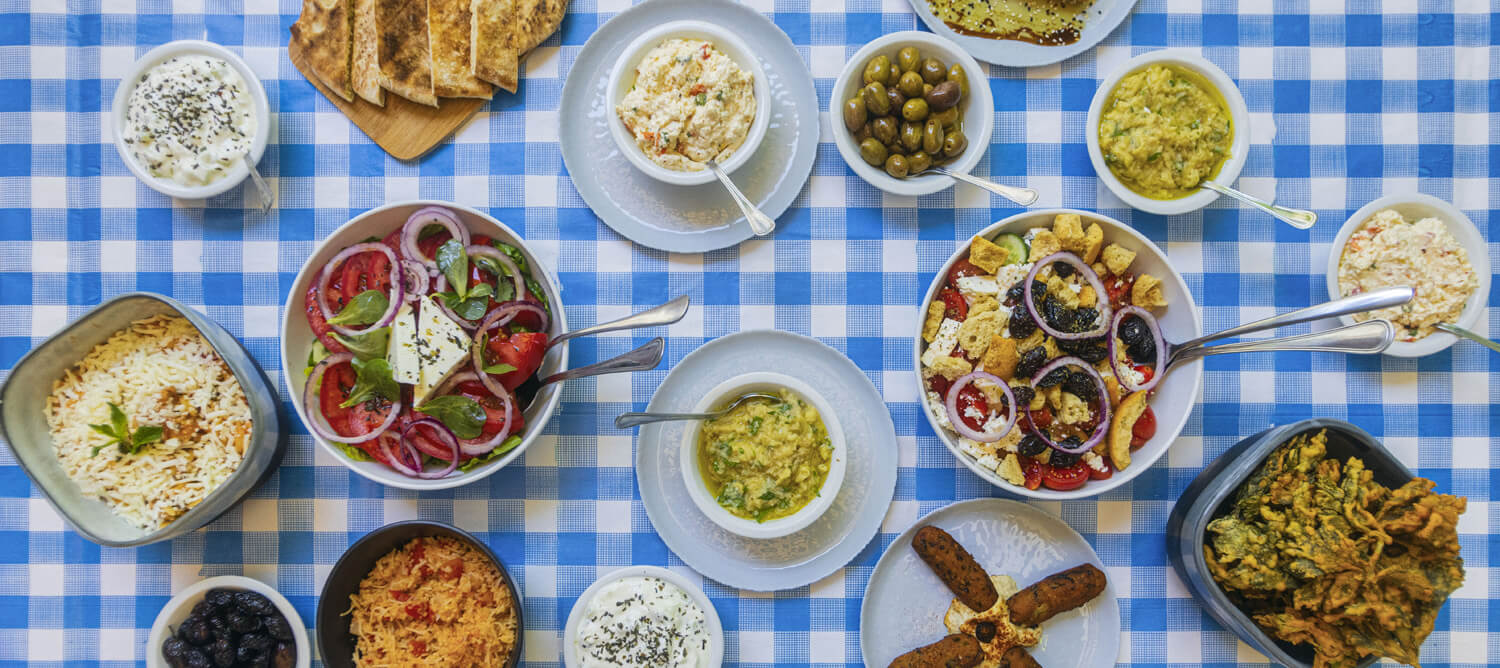
Introduction to Cypriot cuisine
Cypriot cooking is built around a simple idea: fresh ingredients + generous hospitality + practical tradition. In North Cyprus, that philosophy often comes through in meals that are naturally shareable—family-style plates, grilled mains, hearty stews, and mezze that turn dinner into conversation.
Even when recipes vary from home to home, you’ll notice patterns: olive oil and aromatic herbs show up frequently, vegetables are used in abundance, and grains and legumes help make meals satisfying rather than fussy.
Key dishes and ingredients
If you want a “decision checklist” for what to try, anchor your orders on a few categories. Below is a practical way to map dishes to ingredients.
1) Meze: the social format
Meze isn’t one dish—it’s a style of dining. It usually means multiple small plates served over time. For visitors, it’s one of the easiest ways to sample a lot without committing to just one item.
Look for: spreads (like dips), grilled vegetables, seafood or meat plates, and seasonal sides.
2) Halloumi and dairy-forward flavor
Halloumi is widely associated with Cyprus, and it’s commonly prepared grilled or pan-fried so it keeps its shape. It pairs well with tomatoes, herbs, and simple salads—great for people who want something “local” without too much guesswork.
Ingredient signal: dairy that holds up to heat (halloumi style), plus herbs and fresh produce.
3) Grilled meats and hearty comfort dishes
North Cypriot meals often lean on grilling and slow-cooked comfort—especially when the weather calls for warmth. Expect plenty of herbs, garlic, lemon, and olive oil.
Good choices for first-timers: kebabs/souvlaki-style skewers, roasted poultry, and vegetable-rich mains.
4) Staple vegetables, legumes, and grains
Vegetarian-friendly plates can still feel substantial because legumes, grains, and vegetables are treated as main characters—not side notes.
- Legumes: lentils and beans often appear in warm dishes.
- Vegetables: tomatoes, peppers, courgettes, onions, and leafy greens are common.
- Herbs: oregano, mint, and parsley are frequent partners.
5) A sweet ending that tastes like tradition
Cypriot desserts are often syrup-soaked, nut-forward, or layered with pastry. If you like variety, order one dessert to share and keep the portion polite—sweets can be richer than they look.
Cultural events centered around food
Food traditions matter most when they’re anchored in community: family gatherings, seasonal celebrations, and hospitality for guests.
- Seasonal rhythms: certain ingredients (fresh vegetables, herbs, seasonal fruits) tend to peak at particular times, shaping what’s cooked.
- Hosting and visiting: it’s common to treat guests with multiple courses or a generous set of dishes—because welcoming someone is cultural work.
- Festive meals: celebrations often feature special preparations that take longer and require coordination—turning dinner into a shared event.
UNESCO’s broader work on traditional diets?utm_source=hotelclubz.com highlights the way food knowledge connects communities over time—less like a “menu” and more like a system of culture.
Conclusion
In North Cyprus, local cuisine is a decision guide in edible form: it tells you what people value—freshness, generosity, seasonal rhythm, and family continuity. If you’re planning your holiday, your safest path is simple: choose meze for variety, look for halloumi or grilled specialties for a clear local signature, and don’t skip dessert if you want the full arc of the meal.
Quick next steps:
- Explore more about where to stay and what to expect on your trip on our Home page.
- Browse guides and travel-related articles via our Blog.
- If you want help planning your North Cyprus holiday around comfort and convenience, reach out through Contact.
Lena Ortiz, Operations analyst and decision guide