A Guide to Traditional Cypriot Cuisine: Must-Try Dishes
Introduction to Cypriot cuisine
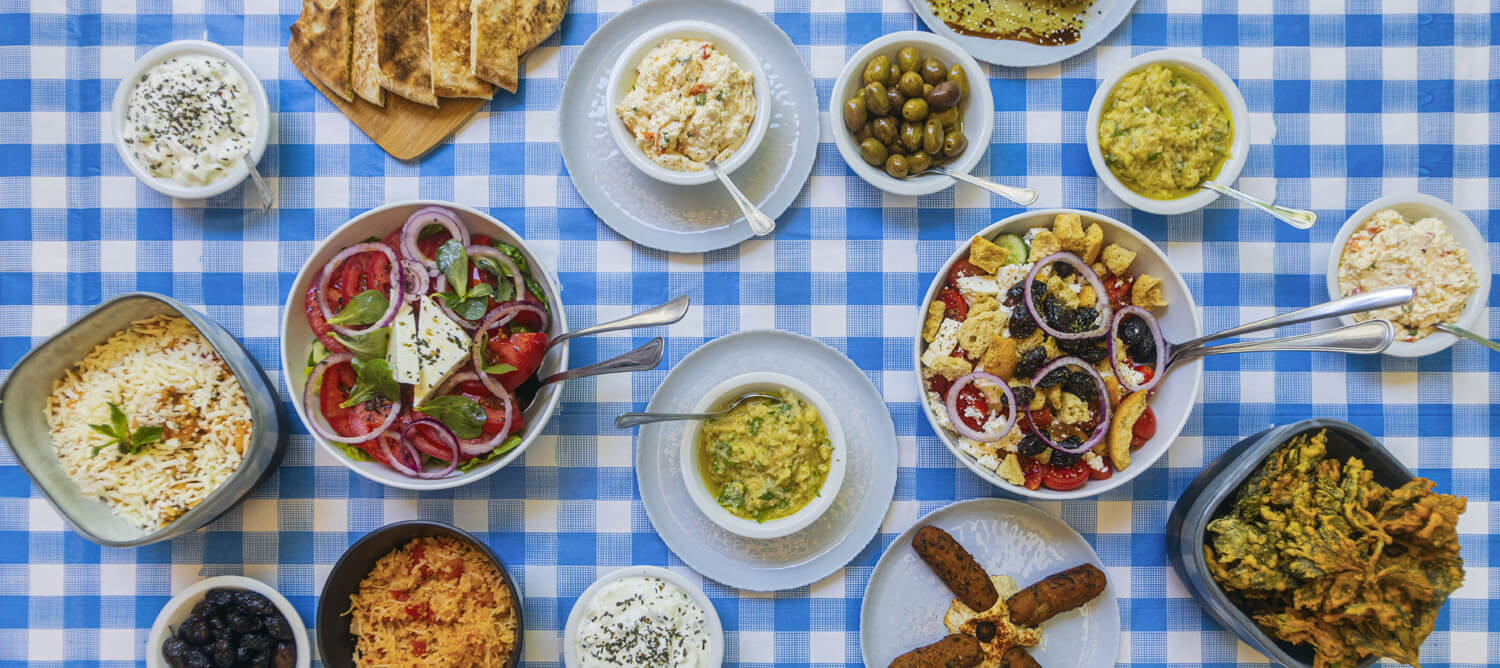
Cypriot food is the kind of cuisine that makes you slow down a bit… in the best possible way. It borrows from Greek, Turkish, Levantine, and wider Mediterranean traditions, then turns them into something unmistakably Cypriot. The result is a table built around olive oil, herbs, grilled meats, cheese, legumes, fresh vegetables, and the kind of desserts that politely refuse to be ignored.
In North Cyprus, food is part of the rhythm of the day. Lunch can stretch. Dinner can turn into a full conversation. And if someone offers you another spoonful of dessert, the safest answer is usually yes. For a broader look at Cyprus as a food culture, the Cypriot cuisine overview is a handy starting point, while Visit Cyprus offers a useful destination perspective.
List of must-try dishes
If you only have time to try a few dishes, start with the classics below. They are the dishes visitors usually remember long after the beach towel has been folded back into the suitcase.
Halloumi
Halloumi is the famous Cypriot cheese that can be grilled or fried without melting into a puddle of regret. It is salty, springy, and brilliant with watermelon, salad, or fresh bread. In Kyrenia and across North Cyprus, look for it on breakfast menus, in meze platters, or as a simple grilled starter at a taverna.
Souvla
Souvla is large chunks of meat cooked slowly over charcoal, usually pork, lamb, or chicken. It is smoky, juicy, and made for long meals with friends. If you want the full effect, choose a place that cooks over coals rather than a rushed grill — the difference is not subtle.
Kleftiko
Kleftiko is slow-baked lamb, traditionally cooked until the meat turns tender enough to fall apart with a fork. It is usually seasoned simply, which is exactly the point: the flavour comes from patience, herbs, and the oven doing its job properly.
Koupepia
Koupepia are vine leaves stuffed with rice, herbs, and often minced meat. They are delicate, savoury, and ideal if you like dishes that feel a bit like they were made by someone who actually cares. Many meze restaurants serve them warm with lemon.
Sheftalia
Sheftalia are Cypriot sausages made with seasoned minced meat and wrapped in caul fat before grilling. They are juicy, aromatic, and slightly messier than they look — which is part of the charm. You will often find them in sandwiches, meze spreads, or alongside souvla.
Molehiya
Molehiya is a beloved North Cypriot stew made with jute leaves, usually cooked with chicken or meat and served with rice or bread. It has a distinct herbal depth and is one of those dishes that tells you a place has its own serious comfort food tradition.
Seafood by the coast
If you are near the coast in Kyrenia, grilled fish and seafood are worth building a lunch plan around. Depending on the catch, you may find sea bream, sea bass, calamari, or prawns served with lemon, salad, and chips. The sea is doing half the marketing, but the kitchen still has to deliver.
Where to find authentic Cypriot food
For the most satisfying version of Cypriot food, aim for places that keep things local and straightforward. In Kyrenia, traditional tavernas and meze restaurants are usually the safest bets, especially if the menu changes with the season. A good rule of thumb: if the bread arrives warm and the olive oil tastes fresh, you are on the right track.
- Kyrenia harbour area: good for long lunches, seafood, and relaxed meze meals with a view.
- Village tavernas: often the best places for kleftiko, molehiya, and home-style cooking.
- Local markets: useful for olives, cheeses, herbs, and sweets you can take back with you.
- Food festivals and seasonal events: worth checking if your visit overlaps with a local celebration of harvests, wine, or village traditions.
If you want to browse more trip ideas while planning meals, visit our blog, learn more about Hotel Club Z, or get in touch if you need help planning your North Cyprus stay. For a quick snapshot of the island’s food scene, the Visit North Cyprus food guide and Lonely Planet’s Cyprus eating and drinking notes are helpful external references.
Cultural significance of food in Cyprus
Food in Cyprus is not just about filling a plate. It is how people welcome guests, mark celebrations, and keep family routines feeling alive. Meze, in particular, is almost a social event disguised as dinner: many small dishes shared slowly, with conversation doing a lot of the heavy lifting.
Traditional cooking methods still matter too. Charcoal grilling, slow baking, braising, and simple seasoning let local ingredients do the talking. That means tomatoes taste like tomatoes, cheese tastes like cheese, and fresh herbs show up as more than decoration. Convenient, really.
Local produce also shapes the cuisine. Olive oil, lemons, herbs, olives, pulses, dairy, and seasonal vegetables keep the food grounded in the island’s landscape. For more context on Cypriot food traditions, Britannica’s Cyprus overview helps place the culture in a wider historical setting.
Conclusion
If you are visiting North Cyprus, traditional food is one of the easiest and happiest ways to experience the island properly. Start with halloumi, order a meze if you can, make room for kleftiko or souvla, and leave space for dessert because future-you will be annoyed if you do not.
Try a few of these dishes, ask locals where they like to eat, and treat every meal like part of the trip rather than a pit stop. That is usually where the good stories begin.
And if you discover a brilliant taverna, a perfect grilled halloumi, or a dessert that ruins all self-control in the best way, tell us about it through our contact page.