Understanding Cypriot Hospitality: What to Expect
If you understand how Cypriot hospitality works, a stay in Kyrenia becomes more than a hotel booking. It becomes a smoother, warmer, and frankly better trip.
What should you expect when you arrive? How much formality is normal? Do locals prefer a greeting before the practical details? And what makes a simple meal feel like an invitation rather than a transaction? Those are the useful questions, the ones that matter once the suitcase is already packed. For a broader sense of the island’s cultural rhythms, the Visit Cyprus culture guide and the Cyprus overview are solid starting points.
Hospitality in Cyprus is not a decorative slogan. It is part of everyday social life, shaped by family, food, and the expectation that guests deserve attention. In Kyrenia especially, where the harbor, historic streets, and hotel scene sit close together, that attitude shows up in check-ins, restaurant service, and even the way people explain directions. If you are planning a holiday here, this article will show you what the custom looks like in practice, how to respond politely, and how to enjoy it without overthinking every gesture.
For travel context and destination basics, see the About page, browse the blog for more North Cyprus guides, or use the contact page if you want help planning a stay. If you are choosing where to base yourself, our guide to top hotels in Kyrenia pairs well with this one.
Key terms and what they mean
| Term | What it means in practice |
|---|---|
| Hospitality | The habit of welcoming guests generously, often with food, conversation, and practical help. |
| Guest culture | The expectation that visitors should be treated with warmth and respect, not rushed. |
| Cypriot meze | A shared meal of many small dishes, usually the easiest doorway into local food culture. |
| Formal courtesy | Polite greetings, thanks, and a calm tone, especially at hotels, cafés, and homes. |
The key elements of Cypriot hospitality
There is a structure to it. Not a rigid one, but a reliable one. First comes the welcome, then the conversation, then the practical help. In hotel settings, that often means a front desk team that takes time to explain the room, breakfast, pool hours, or local transport options. In smaller family-run places, it may feel even more personal. The welcome is not just polite; it is an important part of the service itself.
Food is usually the next signal. Offering coffee, fruit, sweets, or a full meal is common across the island, and it says something important: the guest is not an interruption. If you want a useful culinary backdrop to that custom, the Visit Cyprus food and wine section and the Cypriot cuisine overview explain how shared dishes and meze service fit into local dining culture.
Another element is pace. Cypriot hospitality tends to favor attention over speed. That does not mean service is slow in the lazy sense; it means people are willing to answer the question, repeat the directions, or suggest a better route to the castle, the harbor, or the beach. In a visitor economy, that kind of unhurried help is worth more than a glossy brochure nobody reads twice.
What this looks like in hotels
- A greeting that feels human rather than scripted.
- Practical local advice about taxis, walking routes, and meal times.
- Flexibility with small requests when possible, especially if you ask kindly.
- Breakfast or dining service that often reflects local ingredients and family-style traditions.
Why hospitality matters so much culturally
Cypriot hospitality is not just a tourism feature. It is a social signal. A guest is treated as someone who deserves honor, not merely someone who pays. That attitude has deep roots in island life, where family networks, community reputation, and sharing food all matter. It is also one reason travelers often remember Cyprus less for one perfect “experience” and more for a stack of small, specific kindnesses.
If you want a broader cultural frame, the Britannica Cyprus cultural life entry gives a concise overview of the island’s traditions, while the official tourism material from Visit Cyprus shows how modern visitor experiences sit on top of those traditions. The point is simple: hospitality here is not an add-on to the destination. It is part of the destination.
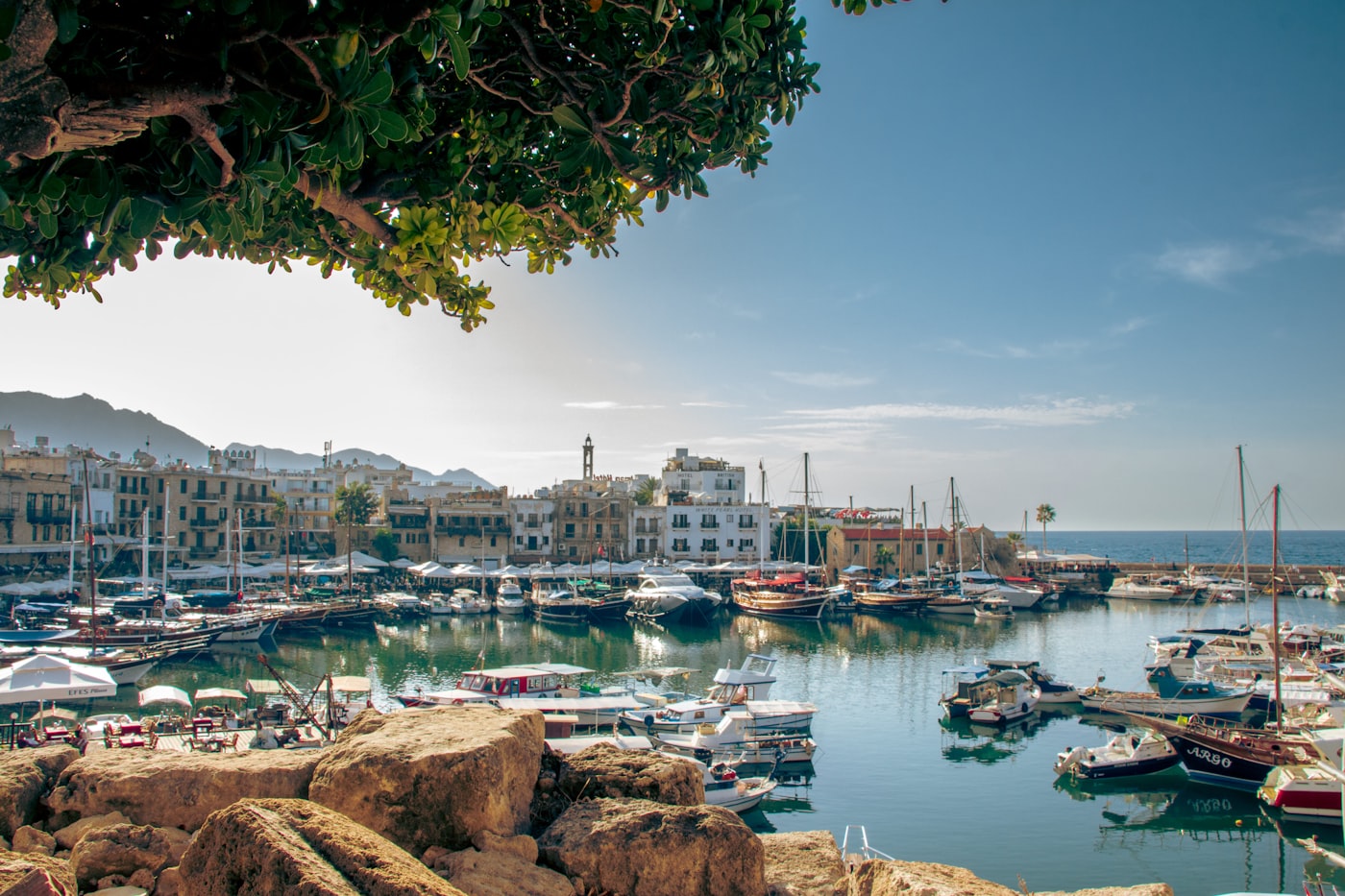
In Kyrenia, this matters because the town already invites lingering. The harbor, castle area, cafés, and seafront hotels make it easy to slow down. Hospitality matches the geography. You are not being rushed through a checklist; you are being encouraged to stay awhile, eat properly, and talk to people like a person, not a booking reference.
How to embrace local customs as a guest
You do not need a rulebook. You need a little awareness and enough respect to match the tone of the place. The practical move is to be warm, not theatrical. Say hello. Thank people properly. Accept offers graciously when you can. And if someone takes the time to explain a meal, a route, or a tradition, listen instead of trying to speed-run the conversation.
- Greet first. A simple hello in a polite tone goes a long way.
- Show appreciation. Thank people for food, guidance, and extra effort.
- Accept invitations thoughtfully. If you are offered coffee or food, a brief acceptance is often the easiest path.
- Dress appropriately for the setting. Hotels are relaxed; religious or traditional spaces may call for more modest clothing.
- Ask before assuming. If you are unsure about customs, a respectful question beats guesswork.
For visitors who want a smoother stay, this also affects hotel choices. A smaller boutique property may feel more personal, while a larger resort may offer more structured convenience. Both can reflect Cypriot hospitality well. The real difference is how much direct contact you want and how much of the local rhythm you want to feel in the morning before coffee.
A few real-world examples of good guest behavior
- If a hotel staff member suggests a later dinner time, treat it as useful local knowledge, not an inconvenience.
- If a café server recommends a meze selection, ask what is fresh instead of defaulting to the most familiar dish.
- If a shop owner offers directions, respond with thanks and, if needed, repeat the route back once to confirm you understood.
- If you are invited to share food, take the offer seriously and reciprocate with politeness, not awkward overexplaining.
That is the whole trick. Hospitality works best when the guest cooperates with the system rather than treating every gesture like a mystery to be solved. Cyprus, and Kyrenia in particular, rewards travelers who show a little curiosity and a little grace.
Conclusion
Cypriot hospitality is warm, practical, and deeply woven into daily life. In Kyrenia, it appears in hotel service, food culture, and the easy willingness of locals to help visitors feel settled. If you arrive with a respectful attitude, you will usually get more than directions or a room key. You will get the kind of welcome that makes a holiday feel like it has a pulse.
In short: greet people warmly, accept help graciously, enjoy the food, and let the rhythm of the place do its work. If you are planning a trip, start with the blog for more guides, check the about page to learn what this site covers, or contact us if you want to ask a practical question before you book.