Happy vs. Merry: What’s the Difference at Christmas?
Updated June 22, 2026
If you pause before writing “Happy Christmas” or “Merry Christmas,” the good news is that both greetings are understandable, warm, and well established.
People usually ask four practical questions here:
- Do happy and merry actually mean different things?
- Is one greeting more common in American English or British English?
- Does one sound more formal on cards and emails?
- When is it smarter to avoid the question and simply say “Happy holidays”?
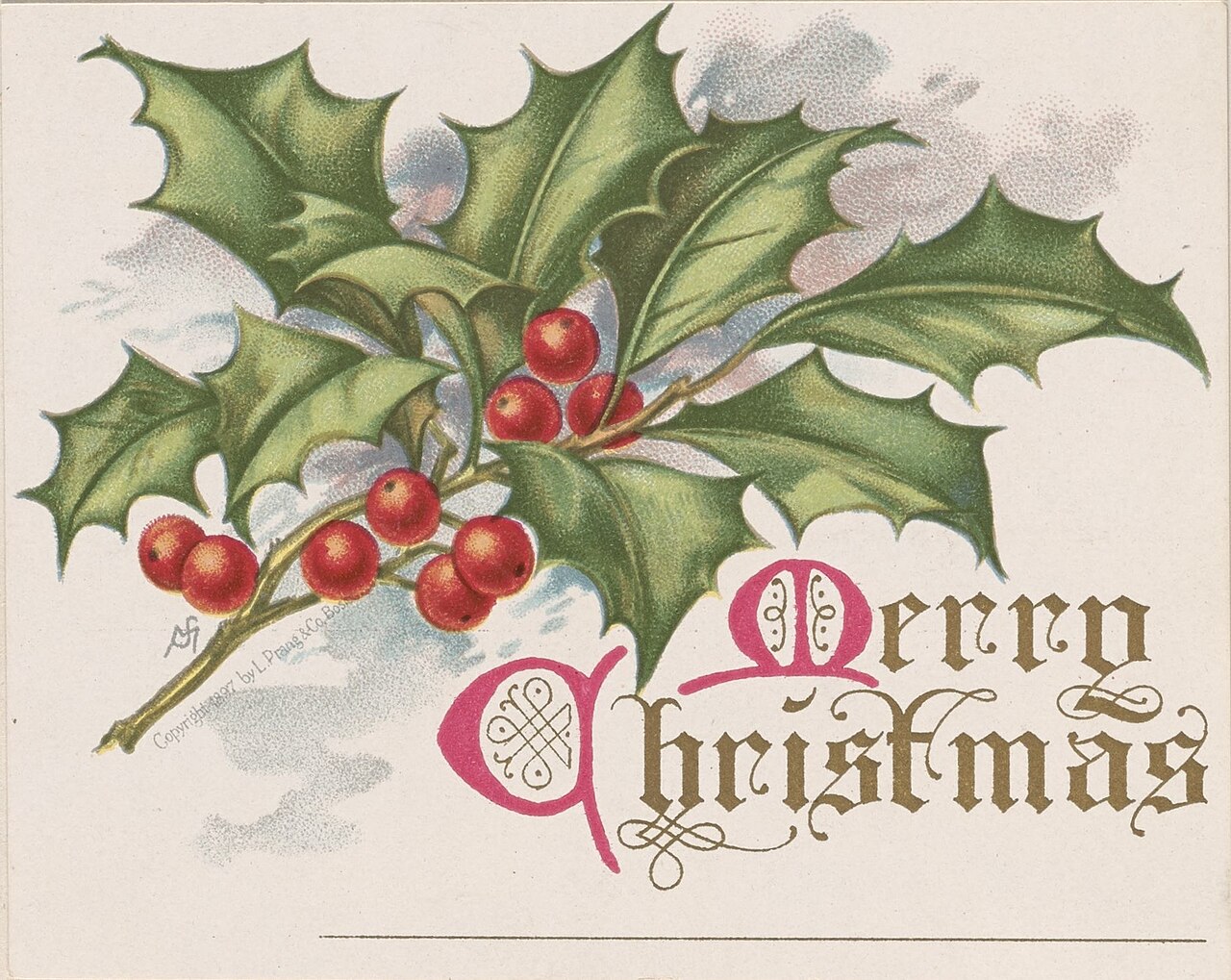
The short answer is that both words express goodwill, but they carry slightly different shades of tone. Merriam-Webster defines merry around festivity and high spirits, while the Cambridge Dictionary notes its special connection to Christmas greetings. Meanwhile, Britannica’s history of Christmas cards shows how “Merry Christmas” became visually and culturally familiar long before email and text messages.
By the end of this guide, you will know what each phrase suggests, why regional habits matter, and how to choose a greeting that sounds natural for the person reading it.
Terminology and quick context
- Merry: festive, lively, celebratory.
- Happy: positive, kind, general-purpose goodwill.
- Register: the tone of a phrase in a social setting, such as casual, formal, or traditional.
- Seasonal greeting: a phrase chosen more for social fit than for strict dictionary meaning.
What the words suggest
In everyday use, the difference is more about tone than meaning. “Merry Christmas” sounds traditional, festive, and familiar because people see it on cards, shop windows, songs, and decorations every December. “Happy Christmas” is softer and a little plainer. It focuses more on goodwill than on celebration.
That does not mean one is right and the other is wrong. It simply means readers may hear different nuances:
- Merry Christmas often feels classic and ceremonial.
- Happy Christmas can feel understated and conversational.
- Happy holidays works well when you want broader seasonal language.
Why region still matters
Writers and broadcasters often note that American English leans harder toward “Merry Christmas,” while British usage is more comfortable with “Happy Christmas”. That does not create a hard rule, but it is useful social context. If you are writing for a U.S. audience, “Merry Christmas” will usually feel more expected. If your readers are in the UK or Ireland, “Happy Christmas” may sound just as natural.
For international writing, the safest principle is simple: match the audience, not the argument. A hotel newsletter, school message, or family card does not need a linguistic debate. It needs a greeting that feels familiar to the reader.
What works in real situations
Here is a practical rule of thumb I use when choosing between the two:
- Use Merry Christmas for greeting cards, festive signage, and warm personal messages.
- Use Happy Christmas when you prefer a gentler tone or want to mirror British-style phrasing.
- Use Happy holidays for mixed audiences, customer service messages, and inclusive workplace communication.
Examples:
- “Merry Christmas from our family to yours” sounds traditional and warm.
- “Happy Christmas and best wishes for the new year” sounds calm and elegant.
- “Happy holidays and thank you for staying with us” works well in broad public communication.
Does the difference matter very much?
Usually, no. Most readers will accept either phrase as sincere. The bigger risk is not choosing the “wrong” adjective. The bigger risk is sounding mechanical or inattentive. A short message that fits the relationship almost always works better than a perfect phrase chosen for historical reasons alone.
If you want a traditional feel, pick “Merry Christmas.” If you want a simple, neutral warmth, pick “Happy Christmas.” If you need to address many beliefs and holiday traditions at once, broaden the message.
Key takeaways
- Both phrases are correct and both are understood by English speakers.
- Merry usually sounds more festive and traditional.
- Happy usually sounds plainer and more general.
- Audience and context matter more than dictionary hair-splitting.
- When in doubt, use the greeting that sounds natural in your community.