Historical Landmarks in Kyrenia: A Travelers Guide
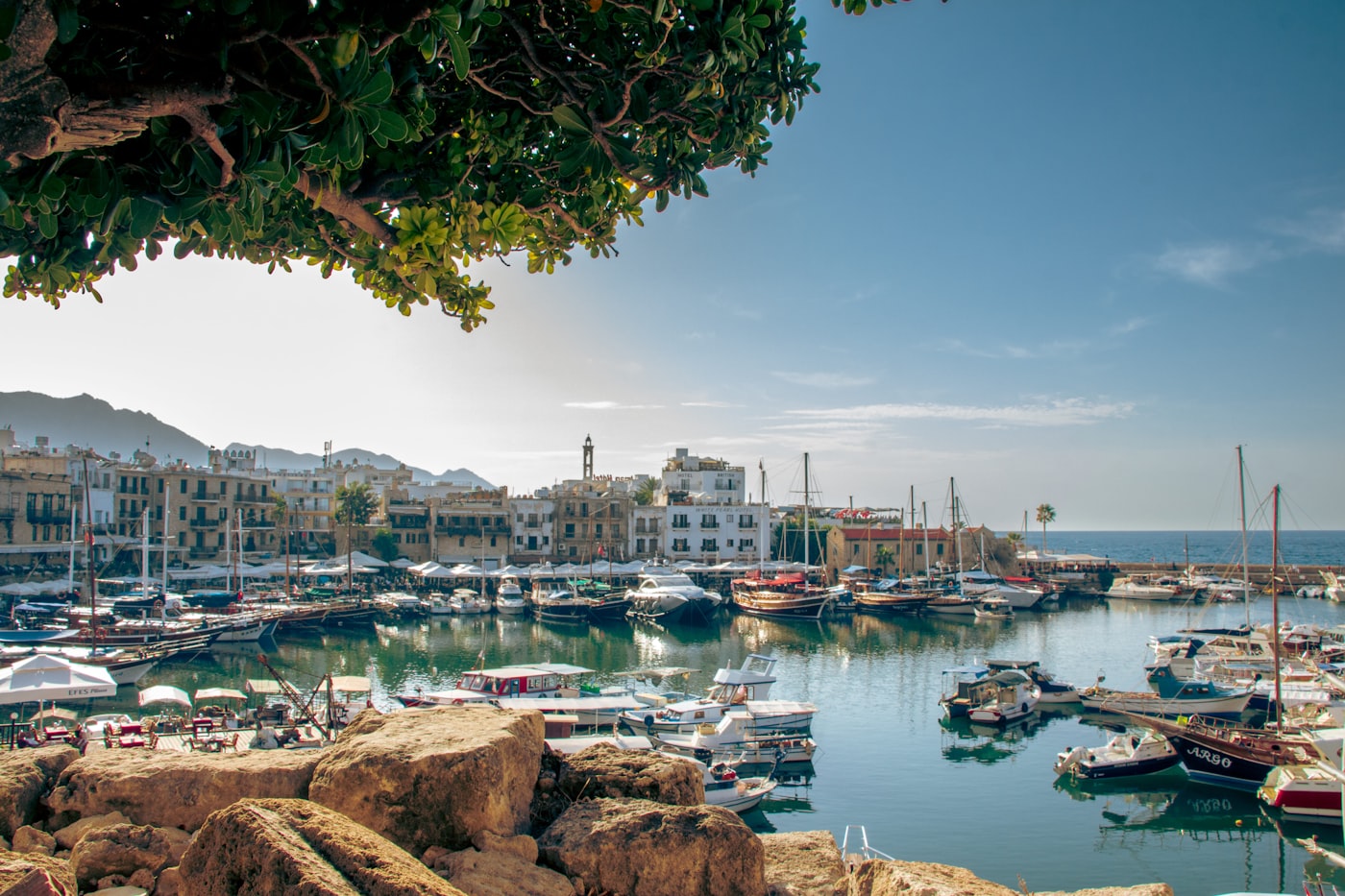
Kyrenia is one of those places that makes a history-led trip feel easy. The old harbour, the castle, the monastery on the hillside, and the narrow streets around the centre all sit close together, so you can cover a lot on foot without turning the day into a logistics exercise. Which, frankly, is the rare kind of travel planning that behaves itself.
If you are building a short stay around culture and coastal views, Kyrenia gives you both. It is a historic port town with layers of Venetian, Ottoman, and British-era influence, and that mix still shapes the streetscape today. For a broader background on the town’s history, the Kyrenia overview and Visit North Cyprus are useful starting points before you go.
Introduction to Kyrenia’s history
Kyrenia’s harbour has long been the town’s anchor. Trade, defence, and daily life all revolved around the coast, which is why so many of the landmarks you will want to see are clustered near the waterfront. The town’s castle also reflects that defensive history: it evolved over time rather than arriving in one neat architectural style.
That layered past is part of the appeal. You are not looking at a single preserved monument in isolation; you are seeing a place that still functions as a living town. If you like context before you wander, the Britannica entry on Kyrenia gives a concise historical summary.
Top historical landmarks
Kyrenia Castle
The castle is the obvious centrepiece. It is the best-known landmark in town and a practical first stop because it helps you orient yourself around the harbour. Inside, visitors can usually expect museum spaces, thick stone walls, and views that explain why the site mattered so much strategically.
- Best for: first-time visitors, history lovers, harbour views
- Why it matters: it shows the defensive role Kyrenia played for centuries
- Visitor tip: go earlier in the day if you want quieter photo spots
Kyrenia Harbour
The harbour is not a single monument, but it is absolutely a historic landmark in its own right. The waterfront has carried the town through centuries of commerce, movement, and renovation. Today, it is where the historic atmosphere feels most immediate: boats, stone facades, cafés, and the castle all line up in one view.
For current visitor context and practical destination notes, the Visit Cyprus Kyrenia destination page is a helpful official reference.
St. Hilarion Castle
Set above the town, St. Hilarion Castle adds a very different experience. It is more rugged, more exposed, and more dramatic than the harbourfront sites. The ruins are associated with defence and the long medieval history of the region, and the climb is worth it if you want a wider view of the coastline.
- Best for: hikers, photographers, travellers who like elevated viewpoints
- Why it matters: it connects Kyrenia to the wider medieval defensive network of North Cyprus
- Visitor tip: wear decent shoes; the site is not the place for optimistic sandals
Bellapais Abbey
Bellapais Abbey is one of the most atmospheric places near Kyrenia. Its Gothic ruins and hillside setting make it feel quieter than the harbour, but no less important. It is especially strong on cultural significance because it shows the religious and artistic side of the region’s past, not just its military history.
If you want a deeper sense of the monastery’s architecture and era, this reference on Bellapais Abbey is a useful background read.
The old town streets around the harbour
Sometimes the most interesting “landmark” is the part of the town you pass between the bigger sites. The narrow streets around the centre preserve the scale of older Kyrenia, with small shops, stone buildings, and a pace that invites wandering rather than rushing.
Cultural significance of each site
| Site | Cultural role | What it adds to a visit |
|---|---|---|
| Kyrenia Castle | Military and civic history | Explains the town’s strategic coastal importance |
| Kyrenia Harbour | Trade and daily life | Shows how the town grew around the sea |
| St. Hilarion Castle | Medieval defence and landscape control | Offers the strongest elevated views |
| Bellapais Abbey | Religious and artistic heritage | Adds a quieter, contemplative stop |
The useful pattern here is that each landmark tells a different version of the same region’s story. One site shows power, one shows commerce, one shows religion, and one shows how people still move through the town today. That is what makes Kyrenia more than a postcard harbour.
Visitor information and tips
- Plan enough time: a half day works for the harbour and castle, but a full day is better if you want Bellapais or St. Hilarion as well.
- Go early or late: the light is better, and the heat is usually more manageable.
- Mix walking and taxis: the compact centre is walkable, but hill sites are easier with transport.
- Check opening times locally: heritage sites can change hours by season and day of week.
- Bring water and sun protection: ancient stones and Mediterranean sun are an enthusiastic partnership.
For practical trip planning, you can also use the blog archive for more North Cyprus travel ideas, or go back to the homepage if you are just mapping out your stay. If you need help planning an itinerary, the contact page is there, and the about page explains what this site is here to do.
Conclusion
Kyrenia works well for travellers who want history without sacrificing a pleasant coastal setting. The castle, harbour, abbey, and hillside fortress each add a different layer, and together they make the town feel richer than a quick beach stop. If you are visiting North Cyprus, this is one of the clearest places to see how history, landscape, and everyday life still fit together.
Take your time, walk the harbour, climb the stone steps, and let the town do the explaining. It usually does that better than guidebooks.