Understanding the History of Kyrenia: A Brief Overview
\n\n
Kyrenia’s story, in plain terms
\n
Kyrenia (Girne) sits on Northern Cyprus’s north coast—and its skyline tells the story. From ancient sailors to medieval traders, the town has repeatedly been a stopover, a stronghold, and a cultural meeting point. The short version is that Kyrenia’s geography made it valuable; its history shows what different empires did with that value.
\n\n
If you’re planning a Kyrenia holiday today, understanding the past adds a little “why” to what you’ll see: harbours, fortifications, streets, and landmarks that survived because someone decided they were worth protecting.
\n\n
Key historical events: a quick timeline
\n
There isn’t one single “Kyrenia began here” date. Instead, the town’s identity formed through overlapping periods. Here are some of the most important chapters.
\n\n
1) Ancient roots and maritime connections
\n
Kyrenia’s position on the coast helped it remain connected to the wider Mediterranean world. Over time, this area saw settlements and maritime activity tied to the region’s evolving networks of trade and travel. Even when rulers changed, the harbour-facing landscape stayed strategically important.
\n\n
2) Byzantine and medieval influence
\n
As the eastern Mediterranean’s power shifted, Kyrenia’s role as a coastal stronghold became more visible. Fortifications and defensive architecture became increasingly important as maritime routes carried people—and threats—across the sea.
\n\n
3) The Crusader-era period and the fortress legacy
\n
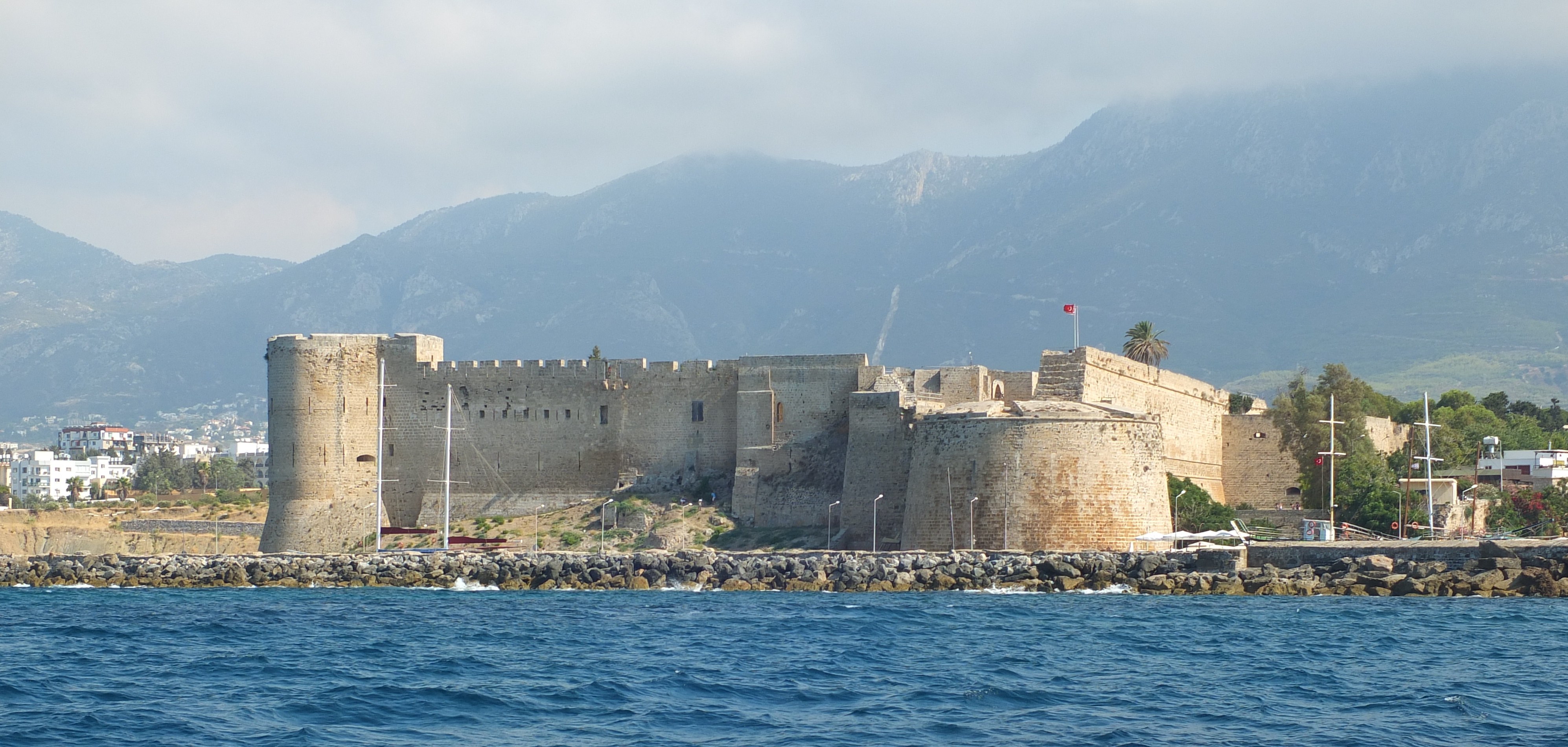
During the medieval period, Kyrenia developed a reputation as a defensible harbour. One reason the town feels “castle-present” even today is that major fortifications were built and reinforced across successive eras. The result is a landmark legacy: structures that connect modern visitors to medieval concerns about security, supply, and control.
\n\n
4) Later rule, changing borders, and cultural layering
\n
Kyrenia continued to experience shifts in administration and influence. Each period left traces—sometimes in architecture, sometimes in cultural traditions, and often in the way the harbour town functions. Rather than a single story with a clean ending, Kyrenia is better understood as a layered place: different eras built over the foundations of earlier ones.
\n\n
For further reading: you can explore broader Mediterranean background through resources like Encyclopaedia Britannica’s Kyrenia overview?utm_source=hotelclubz.com and the Kyrenia page on Wikipedia?utm_source=hotelclubz.com.
\n\n
How Kyrenia’s history shapes the town you visit now
\n
History isn’t just what happened “back then.” In Kyrenia, you can often see how the past still guides the present.
\n\n
- \n
- Harbour-first thinking: coastal towns that repeatedly mattered for shipping tend to keep that orientation—everything from promenades to access routes feels designed for the sea.
- Defensive architecture: fortifications concentrate stories in a few physical places. That’s why castle-and-stone landmarks can feel like the “main characters” of the landscape.
- Cultural layering: when borders change, communities adapt. Over centuries, Kyrenia has gathered influences from different waves of residents and visitors.
\n
\n
\n
\n\n
Want a travel-friendly next step? Start with our home page for a quick overview, then browse practical guidance on our about section and contact details.
\n\n
Common misconceptions (and the short correction)
\n
When people hear “Kyrenia has a long history,” they sometimes expect a single, uninterrupted timeline. In reality, Kyrenia’s story is discontinuous: periods of growth are followed by changes in control, trade patterns, and defensive needs. That’s why “explaining Kyrenia” works best as a sequence of major chapters rather than one continuous biography.
\n\n
Conclusion: Kyrenia as a coastal meeting point
\n
Kyrenia’s history is, at heart, the story of a harbour that repeatedly mattered. Its ancient connections supported trade; its medieval fortifications protected strategic routes; and later cultural layering helped shape the town’s character. The next time you look out over the harbour or walk past a landmark built for defense, you’ll be looking at evidence of centuries of changing priorities—written in stone and sea.
\n\n
Quick question for you: when you visit Kyrenia, which matters more to you—history you can see in landmarks, or the local atmosphere that history helped create?
,