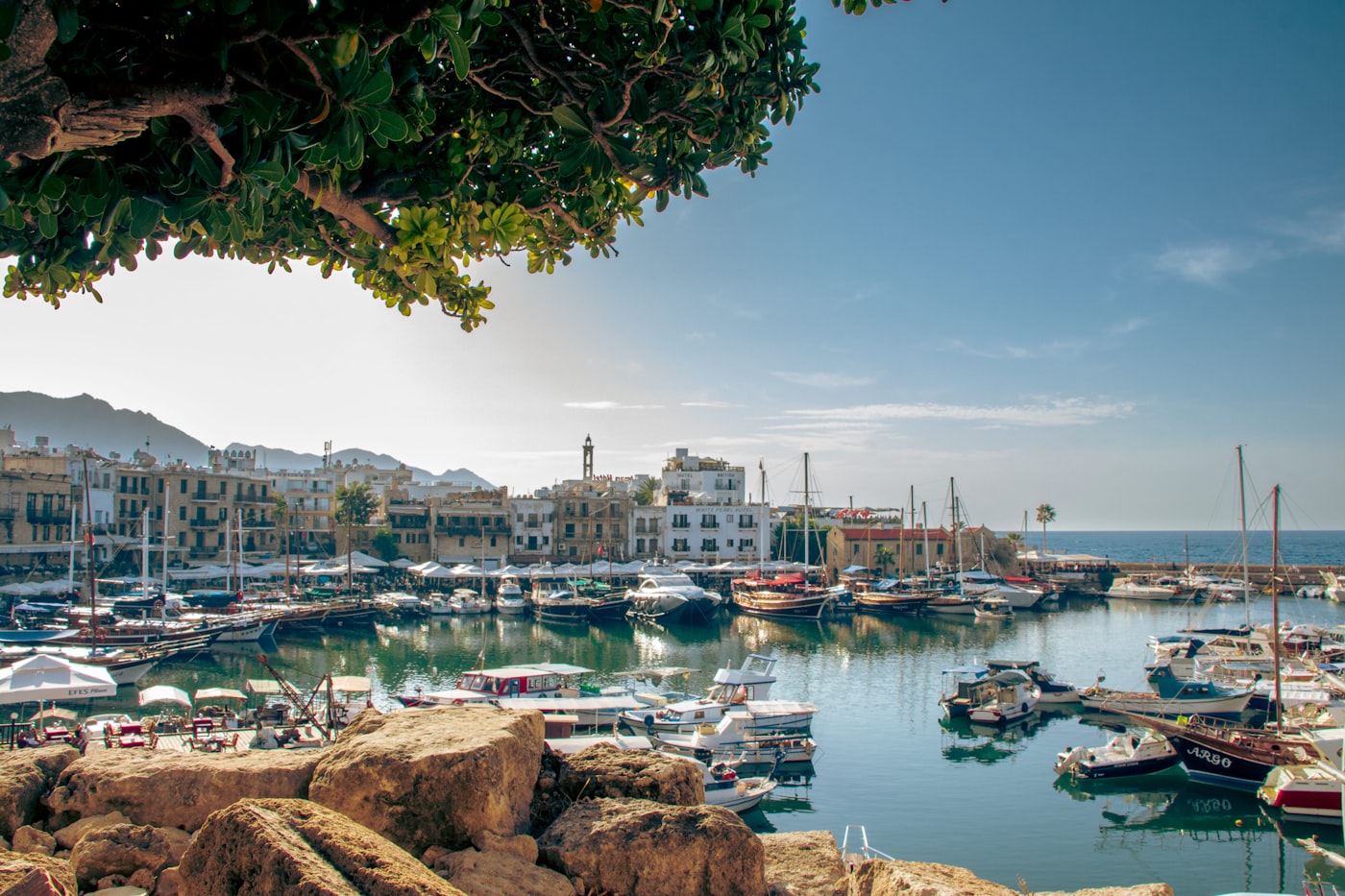
The Importance of Sustainable Tourism in North Cyprus
The Importance of Sustainable Tourism in North Cyprus

Sustainable tourism is not a slogan for brochures. It is the practical decision to keep the places visitors come to see worth visiting. In North Cyprus, that means protecting coastlines, using water carefully, supporting local businesses, and keeping tourism growth aligned with the capacity of the island’s towns and natural areas.
Kyrenia and the surrounding coast already carry much of the region’s visitor activity. That brings opportunity, but it also brings pressure. The question is not whether tourism should continue. The question is whether it can continue without slowly eating the asset it depends on. That is the part business owners usually discover after the easy money has already been spent.
What sustainable tourism actually means
At its simplest, sustainable tourism aims to reduce negative impact while improving the long-term value of a destination for residents and visitors. The World Tourism Organization describes it as tourism that considers current and future economic, social, and environmental effects. UN Tourism’s sustainability guidance is a useful starting point for that definition.
For North Cyprus, this translates into a few concrete priorities:
- protect beaches, harbors, and sensitive coastal habitats;
- reduce waste and single-use plastics in hotels, cafes, and tour operations;
- encourage efficient water and energy use;
- support local food producers, guides, and small businesses;
- shape visitor growth around capacity, not wishful thinking.
Current practices in North Cyprus
Some of the most visible progress comes from small operational choices rather than grand declarations. Better linen and towel reuse policies, improved waste sorting, seasonal menu planning, and local sourcing all reduce pressure on resources. The European Environment Agency has long noted that tourism can strain water, land, and waste systems if growth is unmanaged; its overview of tourism and the environment helps explain why these details matter. Tourism and the environment is worth reading even if you only care about the numbers after the slogans.
In practice, sustainable tourism in North Cyprus often shows up in three areas:
| Area | What good practice looks like | Why it matters |
|---|---|---|
| Accommodation | Efficient utilities, waste reduction, local suppliers | Lowers operating cost and resource strain |
| Transport | Shared transfers, walkable guest routes, fewer unnecessary trips | Reduces congestion and emissions |
| Activities | Guided nature visits, heritage-focused experiences, responsible marine use | Spreads spending beyond a single season or beach strip |
Local heritage also benefits when tourism is managed well. The old harbor, the castle area, and the historic streets of Kyrenia are stronger attractions when they are treated as living places rather than disposable photo backdrops. The local tourism profile on Kyrenia offers useful context on why the town’s historic setting remains central to its appeal.
Benefits for the destination and the visitor
Sustainable tourism is not charity. It is risk management with better branding.
For the destination, the benefits are straightforward:
- cleaner beaches and public spaces;
- better protection for natural and cultural assets;
- more stable demand for local suppliers;
- stronger resilience when peak-season crowds soften.
For visitors, the experience usually improves as well. A destination that manages its resources well tends to feel less crowded, more authentic, and less exhausted by its own success. Travelers increasingly notice the difference. The Global Sustainable Tourism Council provides standards and destination guidance that show how sustainability can be built into tourism operations rather than bolted on afterward. GSTC criteria and guidance are a solid reference for what serious sustainability looks like.
The challenges North Cyprus has to solve
The obvious challenge is balance. Tourism needs growth, but unchecked growth can damage the very character that makes the destination desirable. Water scarcity, waste handling, coastal pressure, and uneven seasonal demand are not abstract issues. They are operational costs, only with more sea view.
There is also a management challenge. Sustainable tourism requires coordination between hotels, local authorities, transport providers, and attractions. One property can improve its own footprint. A region needs the whole system to move in the same direction.
That is where a practical roadmap matters. The first step is usually not a big campaign. It is choosing the right priorities: measure what is being used, reduce what is being wasted, and keep more of the economic benefit in the local economy. For tourism businesses trying to figure out where to begin, AI consulting services can help teams build a clearer operational roadmap, though tourism still has to do the obvious work first.
What responsible operators can do now
- Audit water, energy, and waste use before planning new amenities.
- Work with local suppliers where quality and reliability allow it.
- Promote shoulder-season travel instead of pushing only peak demand.
- Give guests simple ways to travel lightly and respect local spaces.
- Track sustainability measures as part of normal operations, not as a side hobby.
If you are building a hotel or travel business presence, the public website should make these choices visible. Visitors do not need a manifesto. They need clear evidence that the property understands the place it profits from. That distinction saves time later.
Conclusion
Sustainable tourism in North Cyprus is not about limiting the region’s appeal. It is about preserving it. Done properly, it supports local livelihoods, protects coastal and cultural assets, and gives visitors a better experience. Done badly, it turns a destination into a short-term transaction with a long-term repair bill.
The practical answer is to treat sustainability as part of tourism operations, not a decorative extra. That is the decision point. Everything else is presentation.
Return to the homepage to explore the site, browse more articles, or get in touch if you want to discuss the site further.