How to Experience Authentic Cypriot Hospitality
Cypriot hospitality isn’t just “being friendly.” It’s a way of welcoming you into the rhythm of everyday life—through food, conversation, small courtesies, and a readiness to help.
As you plan your North Cyprus holiday, you may be wondering: What does “authentic hospitality” look like in practice? How should visitors behave when they’re invited in? Which local traditions are worth noticing (and respecting)?
Hospitality is often discussed as a cultural value, and tourism research consistently links “host–guest interaction” and perceived warmth with memorable travel experiences. For background on how hospitality and service experiences shape visitor perceptions, see Encyclopaedia Britannica’s overview of hospitality and the World Tourism Organization’s materials on tourism’s human dimension: Tourism and culture.
By the end of this guide, you’ll know what to look for, how to respond, and which simple actions help you experience Cypriot warmth in a way that feels natural for both sides of the conversation.
Introduction: Cypriot hospitality, beyond a catchphrase
In Cypriot culture, hospitality is less about grand gestures and more about showing care: noticing what someone needs, sharing what you have, and making a guest feel that they belong in the moment. You’ll see it in family-run meals, local cafés, and the everyday willingness to explain—slowly, politely, and without rushing you.
It also has a practical side. When people feel comfortable, they talk. When they talk, misunderstandings drop. And when misunderstandings drop, the holiday feels easier—less “tourist performance,” more real connection.
Examples of hospitality practices you can experience in North Cyprus
Different households and businesses have their own style, but these are common “real-world” patterns visitors notice.
1) Being offered something “small,” but meaningful
It may be coffee, tea, water, sweets, or a second helping. The point isn’t calories—it’s recognition. In hospitality cultures, refreshments often act as a bridge: a way to slow down the pace and invite you into the conversation.
2) Conversation that starts with you, not with a script
Ask a question—about the area, a dish, or a family tradition—and expect follow-ups. Cypriots often respond with context (“How we do it here,” “What that’s called,” “When people usually…”). If you listen, you’ll be given more than information: you’ll get local perspective.
3) Food as a shared event, not just a transaction
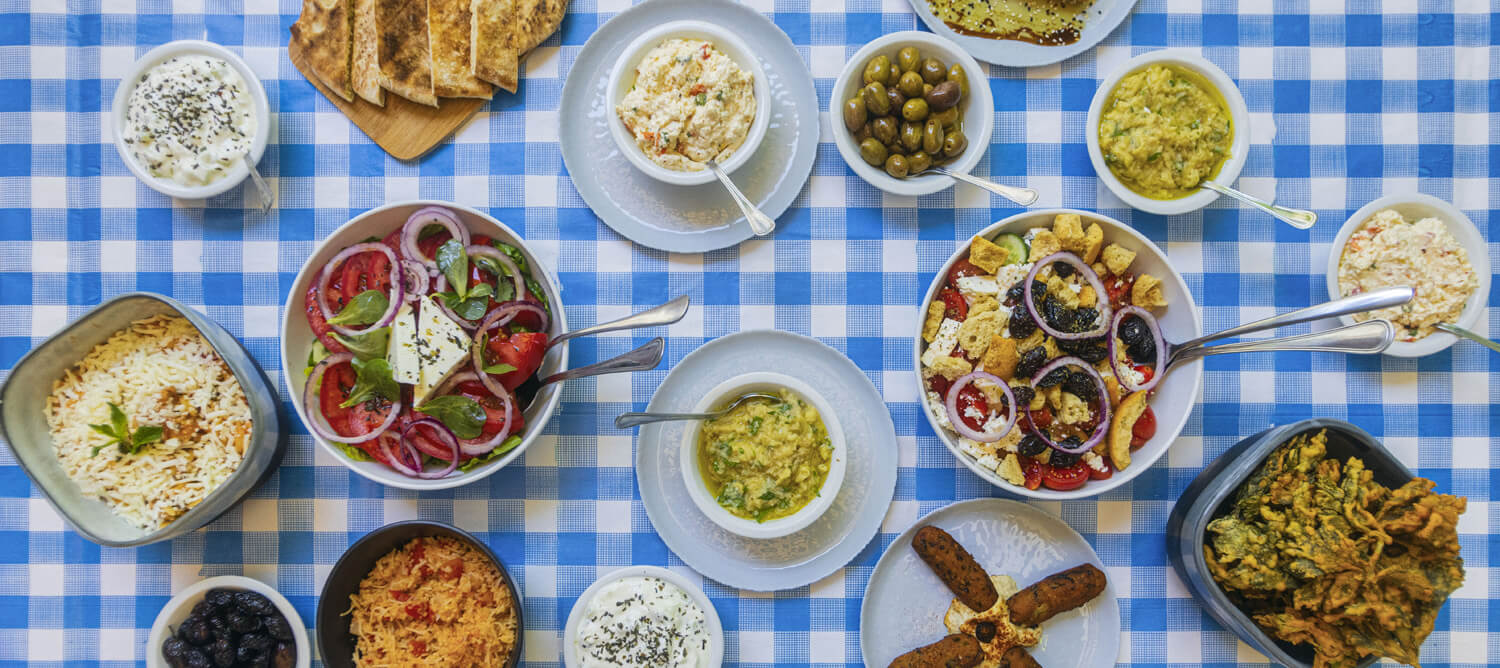
Meals can carry cultural memory: homemade recipes, seasonal produce, and comfort dishes that appear “by instinct” when guests arrive. When food is served, watch for the rhythm: who sits where, when people begin to eat, and how the host checks whether everyone is comfortable.
4) Respectful patience—especially with newcomers
Not everyone speaks at your speed, and not every place is equally structured for tourists. Authentic hospitality often includes a calm response to that. If your order takes a moment, if directions take a detour, or if a custom is explained twice—treat it as normal, and you’ll feel the tone soften.
5) Warmth expressed through practical help
Hospitality can be “show me” instead of “read this.” You might get guidance to a viewpoint, an explanation of a route, or a recommendation based on your interests. That’s local knowledge being offered as a service.
Tips for visitors: how to respond the Cypriot way
Hospitality works best when both sides cooperate. Here are practical, low-effort ways to participate well.
1) Accept the welcome with gratitude—then return it
If something is offered, a simple, sincere “thank you” is enough. If you decline, do it politely and explain briefly (for example, “Not right now,” or “I’ll have it later”). In many welcoming cultures, gratitude is a signal that you understand the gesture.
2) Choose curiosity over correction
If you mispronounce a place name or dish, don’t overthink it. Most hosts appreciate the effort more than perfect accuracy. Correcting yourself quickly can break the flow—better to listen and repeat naturally.
3) Try to match the pace
When locals speak, let the pauses breathe. Hospitality is partly about time: slowing down enough to notice people. If you feel you’re being “pulled into” conversation, ride the moment rather than watching the clock.
4) If you’re invited, don’t treat it like a photo-op
Guests often want to document everything. Cypriot hospitality tends to prefer presence. Ask before taking photos, keep it respectful, and remember that some spaces are meant for family life—not only content.
5) Keep small cultural courtesies in mind
- Speak politely and use “please” and “thank you.”
- Dress appropriately for indoor and religious spaces.
- Be careful with sensitive topics—especially early in conversation—until the tone is clearly friendly and open.
6) Use your choices to show you’re a good guest
Take what you can enjoy. Don’t waste food. If you ask for something, thank the staff who made it possible. That “guest reliability” reinforces the welcoming environment.
Curated “hospitality moments” to plan around
If you want your holiday to feel warmer from day one, build your itinerary around moments where hospitality naturally happens:
- A slow café stop on arrival day—coffee and conversation before you sprint into sightseeing.
- A local meal you can revisit—family-run places often become easier the second time.
- A Kyrenia-area walk with time for asking directions and following a suggestion.
- One “ask-friendly” activity where people explain as they go (markets, small craft stops, cooking experiences).
Want to connect your stay with the area itself? Start with North Cyprus hotels holidays are situated in Kyrenia and explore more about your holiday options on services or about Hotel Club Z.
Conclusion: your best hospitality “move” is your attitude
Authentic Cypriot hospitality is easiest to experience when you treat it like a shared moment rather than a service you’re “getting.” Watch for small gestures, respond with gratitude, match the pace, and ask curious questions. When you do, the welcome becomes more than nice—it becomes a real part of your North Cyprus story.
Key takeaways
- Hospitality is care, shown through food, conversation, and practical help.
- Accept the welcome with gratitude, even when it’s a small gesture.
- Listen and match the pace—it’s part of the cultural rhythm.
- Respect privacy and spaces, especially in family settings.
- Build your itinerary around human interactions, not just locations.
Before you go: choose one “hospitality moment” for your first full day—something unhurried—and protect that time. That single decision usually changes how the entire trip feels.