Understanding North Cyprus Culture: Customs and Traditions
Read this before you wander into a church, a café, or a family lunch and accidentally behave like the brochure version of a tourist. North Cyprus is not difficult, but it is not blank either. It has habits, rhythms, and a social code that matter more than the souvenir rack would like you to believe.
When people search for culture and traditions, they usually have the same handful of questions: How formal should I be? What should I wear? When is a meal just a meal, and when is it a social event that eats the whole afternoon? What do local festivals actually mean, instead of merely looking good in a photo? Those are the right questions. The lazy answer is “just be respectful,” which is true in the same unhelpful way that “just breathe” is true.
North Cyprus travel guides make the point plainly enough: customs, social values, and local festivals are part of everyday life, not decorative extras. Visit NCY’s culture guide and Rough Guides’ etiquette notes both point to the same boring truth, which is the useful one: if you understand the local rhythm, you will get a better trip and fewer awkward moments. Start with the culture overview on Visit NCY’s culture section and the practical reminders in Rough Guides’ travel advice.
Here is what you will get if you keep reading: a plain-English explanation of Cypriot culture in the north, the customs that matter at the table and in public spaces, the festivals and cultural events worth noticing, and a simple set of rules for respectful interaction that will save you from looking careless. If you want the site map before you keep going, the home page is the shortest route, the blog is the wider shelf, and contact is there if you need to ask something specific.
“Culture is the widening of the mind and of the spirit.”
Jawaharlal Nehru
Terminology at a Glance
Before the customs themselves, a small glossary helps. People often nod through these words without understanding them, then act surprised when the local meaning is not the tourist meaning. A classic mistake.
| Term | What it means | Why it matters |
|---|---|---|
| Meze | A spread of many small dishes served before or alongside the main meal. | It is not a starter in the fast-food sense. It is a social format that asks for time. |
| Bayram | A religious holiday or festival period. | Businesses, family plans, and opening hours may change around it. |
| Selam | A greeting used in Turkish and Turkish Cypriot conversation. | A simple greeting opens more doors than visible enthusiasm ever will. |
| Café culture | The habit of meeting, talking, and lingering in cafés over tea or coffee. | This is part of the social fabric, not dead time between “real” activities. |
| TRNC | An abbreviation you may see in travel writing for North Cyprus. | Useful in guides, but local custom matters more than abbreviations. |
Introduction to Cypriot Culture
North Cyprus culture is a mix of hospitality, family networks, local pride, and a pace of life that does not care whether your schedule app is ready for it. The best way to understand it is not by chasing grand theories. Check the ordinary things first: how people greet each other, how long they stay at the table, how often tea appears, and how seriously they treat guests. Those small behaviors are the actual evidence.
In Kyrenia and across the north coast, you will notice that community is not a slogan. It is visible in markets, cafés, beaches, mosques, restaurants, and family gatherings. The social style is warm without being theatrical. People may be friendly quickly, but that does not mean they are performing friendliness for your benefit. They are often just being themselves, which is better. Visit NCY’s culture pages describe a lively local environment shaped by traditions, social values, and festivals, while the tourism guides correctly point out that culture is something you encounter, not a postcard you purchase.
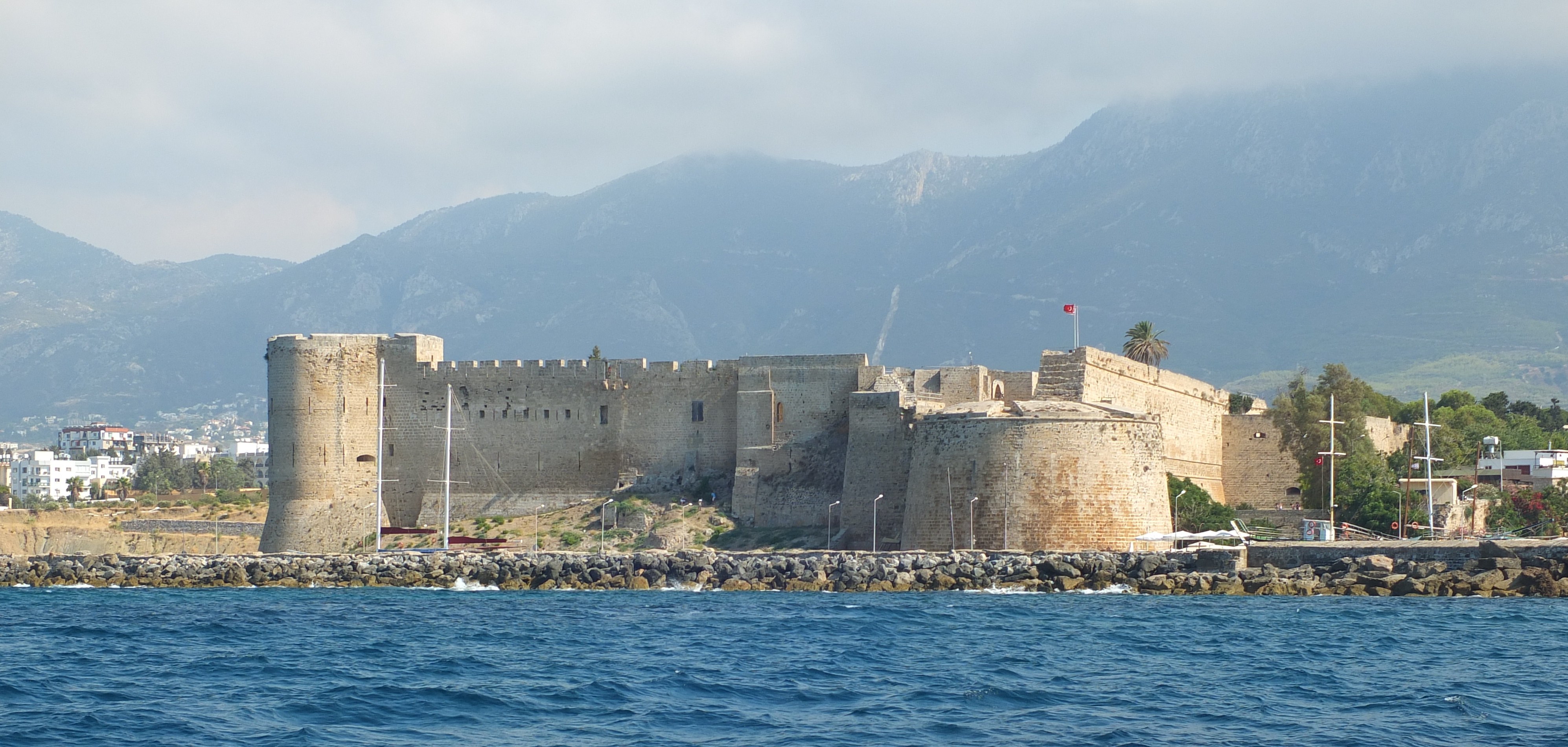
The first thing to rule out is the fantasy that “culture” only means museums and old stones. It does include heritage sites like Kyrenia Castle, old markets, and churches or mosques with historical weight, but it also lives in the way a café table fills up after work, the way people talk over tea, and the way meal timing stretches when conversation is good. If you want the official heritage angle, the Kyrenia Castle and Shipwreck Museum page is a better starting point than guessing from the harbor view alone.
There is also a practical side to this culture that visitors sometimes miss because they are busy being impressed. People in North Cyprus tend to be hospitable, but hospitality comes with expectations. You are not expected to recite a rulebook. You are expected to notice the room. That means greeting people properly, not rushing the meal, not assuming every social moment needs to be optimized, and not treating local customs like a test you are trying to pass with minimum effort.
That is the point of this article: to turn fuzzy “be respectful” advice into something usable. If you know the patterns, you can relax. If you do not, you will keep making avoidable mistakes and wondering why the trip feels slightly off. It is almost always something boring. It usually is.
Key Customs and Traditions
Most customs in North Cyprus are not exotic once you strip away the travel brochure language. They are ordinary social habits with old roots. The useful question is not “what is the tradition?” but “what does this tradition expect from me?”
1. Greetings matter more than hype
Start with the obvious: greet people. A simple hello, a smile, and a bit of patience will do more than rehearsed enthusiasm. In shops, cafés, and family settings, greeting people first is not optional politeness. It is the entry fee for normal human exchange. Skip it and you look rushed, which is usually read as rude, even if you meant no harm.
When you meet older people or formal hosts, a more measured greeting is safer than overfamiliar chatter. You do not need to perform a full social documentary. Just do not walk in as though the room exists for your convenience. That trick never ages well.
2. Hospitality is real, but it is not a buffet of entitlement
Visitors often hear that Cypriot hospitality is legendary. Fine. That praise is not imaginary, but it can be misunderstood. Hospitality means people may offer tea, coffee, food, directions, or help sooner than you expect. It does not mean they want to become part of your itinerary. Accept offers graciously, thank people directly, and do not turn every kindness into a transaction.
If you are invited into a home, take the invitation seriously. Arrive on time or a little after, bring a modest gift if appropriate, and wait to be guided. The host decides the rhythm. Your job is not to control the rhythm; your job is to stop stepping on it.
3. Meals are social time, not interruption time
The meal pattern in North Cyprus can be slower than some visitors expect. That is normal. The shared table is not only for eating. It is for conversation, checking in, debating small things, and letting the day settle. Meze is a perfect example: many small plates appear, and the meal becomes a sequence rather than a sprint. If you treat it like a conveyor belt, you miss the point.
For travelers, this matters because it changes how you plan the day. A long lunch is not a mistake. It is sometimes the point. Build in time. If you are trying to fit a mountain of sightseeing between one snack and another, you are not respecting the schedule or the food. You are just creating avoidable frustration.
Local cuisine also leans into freshness and familiarity: olive oil, vegetables, herbs, fish, grilled meats, salads, bread, and sweets that show up when people are in a generous mood. The specific dishes vary by place, but the social logic stays constant. Eat together. Do not rush. Talk a little. Let the plates tell the story.
4. Dress with context, not drama
North Cyprus is coastal and casual in many settings, but casual is not the same as careless. Beachwear belongs at the beach. Modest clothing is safer for churches, mosques, villages, and family settings. Rough Guides’ travel advice on Cyprus makes this point clearly: modest dress is expected in religious spaces, and visitors should act accordingly. That is not a burden. It is the price of not being the loudest object in the room.
For mosque visits or more conservative environments, cover shoulders and knees where appropriate. For church or heritage visits, dress neatly and avoid treating sacred spaces like photo backdrops. If you are unsure, err slightly on the respectful side. No one ever had their holiday ruined by wearing a shirt with sleeves.
5. Time is flexible, but etiquette is not
People in North Cyprus may be more relaxed about timing than some visitors are used to. That does not mean anything goes. It means you should not mistake a softer pace for disorganization or disrespect. Social visits, meals, and family events may stretch. Market visits may wander. Tea may arrive before your point does. Keep your impatience to yourself and you will fit in better than the traveler who keeps checking the clock as though the clock deserves authority.
At the same time, punctuality still matters for formal arrangements, tours, and reserved meals. The sensible move is to match your timing to the context. If it is a family gathering, be flexible. If it is an airport transfer, do not invent your own mythology about “Mediterranean time.” The driver will not care.
6. Religion and heritage deserve ordinary restraint
North Cyprus contains churches, mosques, monasteries, and archaeological sites that carry different histories and different sensitivities. The rule is simple: visit with normal restraint. Keep your voice down. Ask before photographing people. Do not touch objects unless permitted. Do not treat religious spaces as if they are only good for a dramatic angle.
The heritage sites are not there to prove that you have “done the culture.” They are there to remain intact long after your holiday ends. Kyrenia Castle, for example, is more than a scenic stop. It is a layered historical site with a shipwreck museum and a long military past. Visit NCY’s official page on the castle gives the useful background without making it sound like a puzzle in a package tour.
Customs in one table, because memory is unreliable
| Situation | Do this | Do not do this |
|---|---|---|
| Greeting someone | Say hello, make eye contact, and use a calm tone. | Barge in with a hand-wave and assume speed equals charm. |
| Eating at a local table | Wait for the host, try the meze, and stay relaxed. | Rush through the meal or treat shared dishes like a competition. |
| Visiting a mosque or church | Dress modestly and keep your behavior quiet. | Walk in dressed for the beach and start photographing everything. |
| Accepting tea or coffee | Take the offer as a sign of welcome and stay present. | Refuse abruptly or treat the invitation as disposable. |
| Taking photos | Ask first when people are involved. | Assume every face in the frame is public property. |
Cultural Events and Festivals
If customs are the everyday machinery of culture, festivals are when the machinery becomes visible. In North Cyprus, events are not just a tourist accessory. They are where people gather, perform identity, and keep traditions alive in public. Visit NCY’s events calendar makes this obvious enough: the year is full of cultural, music, food, fashion, and sports events, and many of them are built to be shared with locals as much as visitors.
One useful pattern to notice is that festivals often combine several layers at once. You will see folk dance, food, live music, handicrafts, and family participation in the same event. That is not clutter. It is the point. A local festival is not just entertainment. It is a public rehearsal of what the community values.
What to expect at a festival
You can usually expect movement, sound, and a lot of social density. There may be stages, stalls, informal seating, traditional dress, local food, and speeches that begin later than the flyer suggested. That last part is not a flaw. It is information. Arrive with patience and a bit of curiosity, not with the attitude of someone who thinks every event should be compressed into a neat one-hour box.
In the north coast area around Kyrenia, cultural life is especially visible because the town sits at the junction of history, hospitality, and tourism. The harbor itself is an active social space. Markets like Bandabulya, the old covered market in Kyrenia, also show how public life and daily shopping overlap. The market is not just a place to buy things. It is a place to watch how the town breathes.
If you want examples beyond the harbor, the local events calendar gives you the shape of what is happening around the region. It shows the mix of folk performance, music, craft, and community presence that defines a lot of cultural life here.
Why festivals matter to visitors
Visitors who skip festivals often end up with a flatter view of North Cyprus than they need to have. That is the wrong kind of efficiency. Festivals reveal what matters locally: family, dance, hospitality, cuisine, music, and the stubborn will to keep traditions public rather than hidden away. You also learn how people behave together when they are not in work mode. That is usually more revealing than the polished historical summary in the guidebook.
Festivals are also one of the best places to see how generations mix. Older residents bring memory, younger residents bring energy, and visitors can observe the handoff. If you are lucky, you will catch a version of folk dance or live music that feels less like a performance and more like a community remembering itself in real time. That is the useful part. The souvenir stall is optional.
Simple guide to festival behavior
- Arrive early enough to understand the space before it fills up.
- Watch a little before you photograph everything.
- Buy food or craft items from local vendors if you are going to spend time there.
- Do not stand in front of performers like a misplaced signpost.
- Ask before joining dances or ceremonial moments unless the invitation is obvious.
As a rule, cultural events reward attention more than performance. You do not need to become “part of the scene.” You need to stop acting as if the scene is there for your personal documentary. There is a difference, and locals can tell.
Tips for Respectful Interactions
This is the section people usually want to skip because they think etiquette is a garnish. It is not. It is the part that determines whether your interactions feel easy or oddly abrasive. The first diagnostic step is simple: before changing anything else, check your assumptions. Most travel friction starts there.
1. Start with the room, not with yourself
Read the setting before you talk. Is this a family table, a mosque courtyard, a market stall, a hotel lobby, or a historical site? Different spaces expect different energy. If you arrive with the same volume and posture everywhere, you will eventually be the problem. Not a dramatic problem. Just an unnecessary one.
For tourism businesses and small operators that need cleaner visitor replies, a resource like AI consulting services can help turn repetitive questions into a workable response process without flattening the local voice.
2. Ask before you photograph people
Landscape photos are easy. People are not scenery. Some locals will happily pose, some will not, and many will tolerate a camera only if you act like a civilized adult. Ask first. A short question saves more awkwardness than a dozen smooth excuses after the fact.
3. Keep politics and assumptions on a short leash
Cyprus is historically layered and politically complicated. You do not need to become an amateur expert at every dinner table. Better to listen, ask careful questions, and avoid turning local identity into a debate club exercise. Curiosity is welcome. Performative certainty is not. That habit ruins more conversations than bad weather does.
4. Treat offers seriously
If someone offers tea, coffee, food, or help, the offer is usually meaningful. You do not have to accept everything, but you should decline with grace. In many places, hospitality is not about efficiency. It is about making a guest feel recognized. If you respond like a weary customs officer, you will lose the point and possibly the relationship.
5. Learn a few words and use them badly, but sincerely
You do not need fluent Turkish to be a decent visitor. But learning a greeting, a thank you, and a polite response matters. People notice effort, especially when it is not sprayed on top like marketing varnish. A small attempt usually lands better than pretending language does not matter.
6. Know when not to hurry
North Cyprus often works best at a human pace. That pace is not a defect. It is one of the reasons visitors remember the place. If you keep trying to turn every moment into an item on a checklist, you will miss the social texture that makes the place worth visiting in the first place. Check the boring thing first: are you rushing because the place is actually rushed, or because you are?
7. Use local cafés as observation posts, not just refueling stations
Café life is a clear window into local custom. Sit long enough and you will see patterns: who meets whom, who orders tea versus coffee, how long people stay, and how conversation works when nobody is trying to dominate the table. A café is not a waiting room. It is one of the easiest places to understand how the culture moves.
8. Respect the historical layer
Places like Kyrenia Castle, Bandabulya, old harbors, and village festival grounds are not interchangeable. They carry memory. The right attitude is not reverence theater; it is ordinary care. Don’t touch what you shouldn’t. Don’t block what others need to see. Don’t treat a working heritage space like a set built for your angle. If you want more background, the official Bandabulya Kyrenia page helps explain why the old market still matters.
What This Means for a Visitor in Kyrenia
Kyrenia is where a lot of this becomes visible without much effort. The harbor is busy but not frantic. The castle is a clear historical anchor. The markets, cafés, and waterfront restaurants show the social side of the town. You can have a perfectly ordinary holiday there and still absorb a lot of culture if you stop treating every place as a background object.
That is why timing matters too. Summer heat, autumn events, and spring festivals all change the experience. Culture is not separated from weather, and anyone pretending otherwise is skipping the actual mechanism.
If your trip is short, focus on one or two things properly: a heritage site, a local meal, a festival or market, and a conversation with someone who knows the town. That will tell you more than a frantic list of “must-sees” ever could. If your trip is longer, repeat the same logic in different settings. The pattern is the clue.
Conclusion
North Cyprus culture is not hard to understand, but it is easy to miss if you treat it like scenery. The useful way to approach it is simple: greet people properly, respect meal time, dress with context, ask before you photograph, and pay attention at festivals and heritage sites. The customs are not there to trap you. They are there to keep social life running without constant friction.
If you remember only one thing, remember this: hospitality is not just kindness. It is structure. It tells you how to behave, how to move, and how to avoid looking foolish without making a scene about it. That is the real guide to culture here, whether you are standing in Kyrenia’s harbor, sitting at a café table, or watching a local festival unfold.
For more travel and destination notes, keep the blog open, return to the home page when you need the wider site, and use contact if you want to ask about a specific visit. There is no glory in guessing wrong when the answer is already available.
Key points at a glance:
- North Cyprus culture is shaped by hospitality, family life, heritage, and shared meals.
- Greetings, modest dress, and patient behavior matter in daily interactions and religious spaces.
- Festivals and community events are one of the best ways to see local traditions in action.
- Kyrenia’s harbor, castle, and old market show how history and everyday life overlap.
- The first useful step is to check your assumptions before you decide the locals are “different.”