Outdoor Activities to Enjoy in North Cyprus
North Cyprus works best when you stop trying to experience it all in one category. One day can hold a ridge walk, a bicycle climb, and a swim that resets the whole afternoon. That is the practical appeal of the place: the landscape is compact, but the variety is not.
If you are planning a trip and asking yourself what to do beyond hotel time and a beach towel, the answer is wider than it first looks. The official tourism guide points to the Beşparmak Mountain Trail as the main long-distance walking route, while the same destination guide also highlights cycling in North Cyprus and a broad set of sea and water activities along the coast. That combination is the point: you do not need to choose between active travel and a relaxed holiday.
For readers who want a clean starting point, I would keep the decision simple. Walk if you want the hills to do the talking. Cycle if you want distance and pace. Get on the water if the heat is part of the experience rather than a reason to retreat. If you are still mapping the wider stay, the home page, about page, and contact page are the quickest places to orient yourself.
Updated July 13, 2026. By Rowan Ellis.
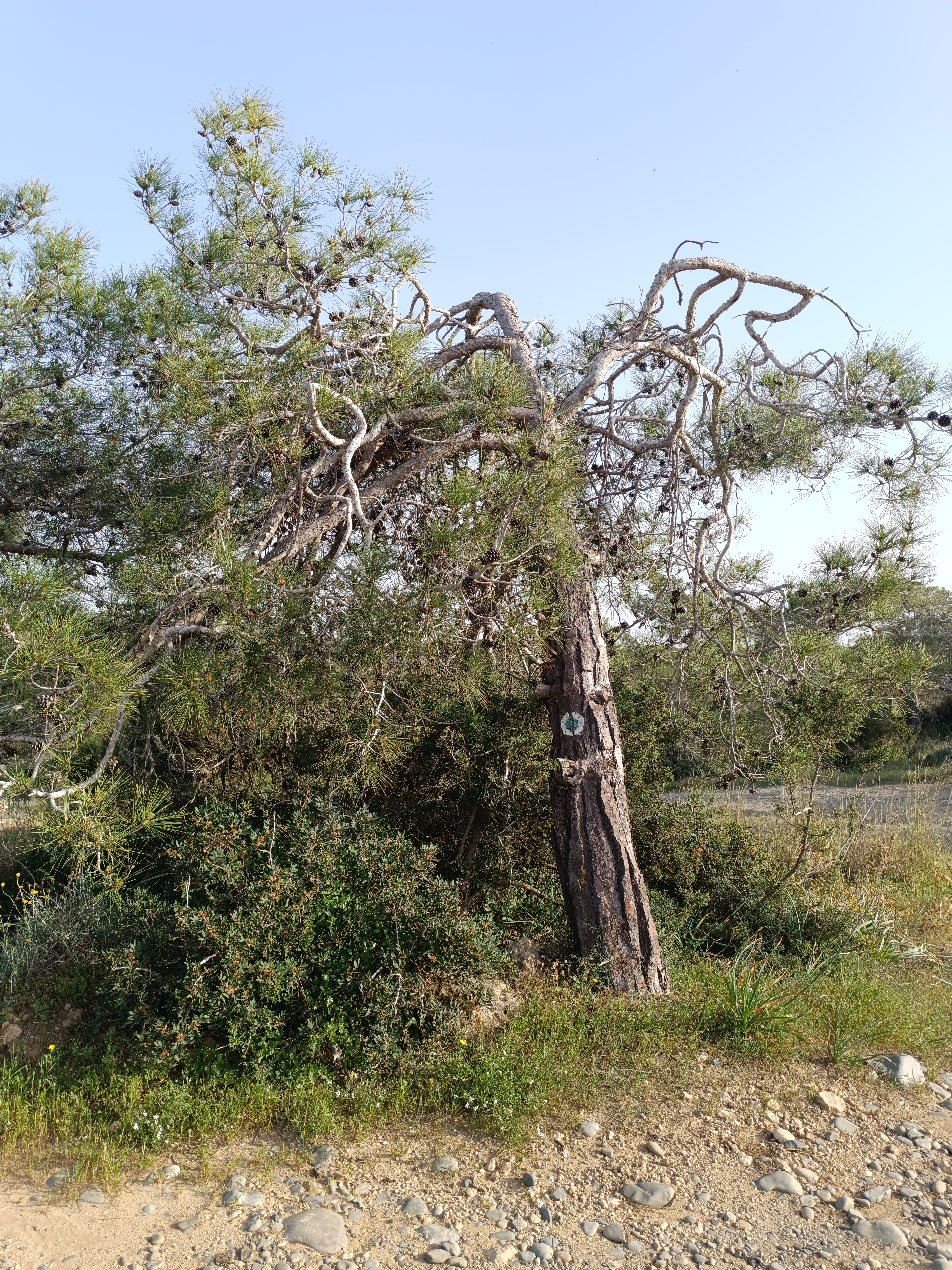
What outdoor days look like in North Cyprus
The useful thing about North Cyprus is not that it offers one signature outdoor activity. It is that several different forms of movement fit together naturally. The coastline invites swimming, paddling, and boat time. The hills and mountain range invite walking and cycling. The old roads between villages make even a short ride feel like a small expedition. The result is a holiday that can be active without becoming over-programmed.
The official tourism material describes the Besparmak range as a long mountain chain running parallel to the coast, which explains why so many outdoor plans feel linked rather than separate. You can leave the sea, climb inland, and still be back by late afternoon with time for dinner. That is a rare kind of convenience for people who like fresh air but do not want an expedition that eats the entire day.
| Activity | Best for | What it feels like | Good starting point |
|---|---|---|---|
| Hiking | Walkers who want views, quiet, and a slower pace | Marked trails, ridge sections, olive groves, and coastal outlooks | Beşparmak Mountain Trail |
| Cycling | Riders who enjoy climbs, descents, and open-air touring | Village roads, mountain gradients, and longer scenic loops | Official cycling routes and quiet inland roads |
| Water sports | Swimmers, families, and anyone who wants the sea to do the work | Boat trips, snorkelling, paddling, jet skis, parasailing, and beach swimming | Kyrenia coast, resort beaches, and harbour departures |
Top hiking and cycling trails
There is a reason hikers keep returning to the same part of the island: the terrain gives you options without making you solve a logistics puzzle first. The official route information for the Beşparmak Mountain Trail describes an 18-stage long walk across the northern side of the island. That alone tells you the route is not a token path. It is a real walking framework, and the landscape around it is what makes it useful.
Beşparmak Mountain Trail
If I had to recommend one outdoor anchor for a first-time visitor, it would be this trail system. The trail is less about a single heroic climb and more about a sequence of walkable sections that can fit different fitness levels and trip lengths. That matters. Most visitors are not trying to prove anything. They are trying to spend a good morning outside without ruining the rest of the day.
The trail works best when you treat it as a series of choices. You can look for shorter stretches near coastal villages, or you can commit to more demanding hill sections if you want elevation and longer views. The official tourism source notes the broader trail network covers a large distance across the north of the island, so the practical advice is to choose a section that matches your time, heat tolerance, and sense of adventure rather than trying to conquer all of it.
A sensible hiking formula in North Cyprus is simple:
- Start early, especially in late spring, summer, and early autumn.
- Carry more water than feels necessary.
- Wear shoes that can handle uneven ground and dusty sections.
- Plan a return route before you set off.
- Assume shade will be intermittent rather than constant.
Those rules sound basic because they are. Outdoor comfort is usually a question of good boring habits, not heroic instincts.
Cycling routes and quiet inland roads
Cycling in North Cyprus is appealing for the same reason hiking is appealing, but with a different rhythm. The island gives cyclists a mix of coastal views, gradual climbs, and quiet inland roads that connect villages and rural patches. The official tourism guide includes a dedicated cycling overview, and that is useful because it signals that the activity is not an afterthought. Riders can build a loop around scenery rather than traffic.
The best way to think about cycling here is not as a race but as a touring day. A relaxed ride can link coastal views with a climb into the hills, then return to a quieter road for the descent. If you are used to flatter terrain, the hills will remind you that North Cyprus has a strong opinion about legs. If you are used to mountain riding, the variety will feel familiar but pleasantly scenic.
For readers choosing between hiking and cycling, the comparison is easy:
- Choose hiking if you want to look around more than cover distance.
- Choose cycling if you want to see more ground without spending the whole day on one route.
- Choose both if you are staying several days and do not mind a little planning.
The real difference is energy management. Hikes absorb you slowly. Rides ask for planning up front. If the trip includes multiple moving parts, a small operator or guesthouse team sometimes needs better coordination than a spreadsheet provides, and a neutral resource such as AI consulting services can help figure out where AI fits without turning a simple booking workflow into a project for the ages.
When to go and what changes by season
Outdoor activities in North Cyprus are not identical across the year, and that is worth saying plainly. Spring is usually the easiest season for hiking and cycling because temperatures are kinder and the hills feel more inviting. Early summer can still work well if you start early and keep the day structured. Mid-summer pushes many travelers toward shorter walks, early coastal sessions, and more time on or near the water. Autumn often gives you a second window of comfort, with warm sea temperatures and more forgiving inland conditions. Winter can still be good for walking, but you should expect a slower, more variable rhythm.
A useful rule of thumb is to match the activity to the light. Long hill walks and long rides are best when the sun is lower and the route is clear. Beach time and water sports can absorb hotter hours more easily, especially if you build in shade and stops. That is one reason this destination works so well for mixed itineraries: if one activity becomes less comfortable, another usually fills the gap without much drama.
For first-time visitors, the simplest seasonal approach is this:
- Spring: prioritise hiking, cycling, and full-day mixed outdoor plans.
- Summer: prioritise early starts, coastal time, and shorter inland sessions.
- Autumn: mix all three, with strong conditions for both trails and sea time.
- Winter: keep the pace lighter and use the coast, harbour areas, and shorter routes.
That seasonal logic keeps expectations realistic. Outdoor travel becomes easier when you let the climate set the shape of the day instead of fighting it.
A short glossary for active travel
A few terms help make the local outdoor vocabulary less mysterious:
- Trailhead: the place where a walk or route begins.
- Ridge: a raised line of high ground that often gives wider views.
- Loop ride: a cycling route that returns to its starting point.
- Harbour tour: a boat excursion that starts from or circles a port area such as Kyrenia Harbour.
- Shore break: where waves meet the beach; useful to notice if you are planning swimming or paddle time.
You do not need that glossary to enjoy the trip, but it does help when you are scanning a map or reading a tour description. Outdoor travel becomes much easier once the language stops getting in the way.
Water sports options along the coast
Water activities are the easiest outdoor choice in North Cyprus because the coast does so much of the work. The official tourism guide groups a wide range of sea-life and beach activities together, from relaxed boat outings to higher-energy options. That broadness is useful. It means a family, a couple, and a more adrenaline-minded traveler can all stand on the same coastline and choose different levels of effort.
Beach swimming, snorkelling, and easy water time
For many visitors, the right water sport is simply to enter the sea at the right hour. The official beaches guide is a practical reminder that the coast is not a single mood. Some coves are better for swimming and a quiet afternoon. Others are stop points for boat tours or places where the sea is structured enough to feel safe and manageable. If you want the ocean equivalent of a good walking route, beaches with clear access and gentle entry are the smartest first choice.
Snorkelling and simple paddling work best when the water is calm and you are not trying to force an activity into the busiest part of the day. Early swims often give you the best visibility and the least friction. That is true in many places, but it matters especially here because the coast invites people to linger. The trick is to linger after the active part, not before it.
Boat trips, jet skis, parasailing, and wakeboarding
The official sea-life resource also mentions more energetic choices such as jet skis, parasailing, canoeing, wakeboarding, and boat tours from Kyrenia Harbour. That gives North Cyprus a useful ladder of intensity. A visitor can start with a harbour cruise, move to a short paddle or swim, and end the day with a more adrenalin-heavy session if that is the mood.
In practice, these activities are best treated as a menu rather than a bundle. Not everyone wants the same amount of speed, spray, or noise. If you are traveling with mixed preferences, split the day. Let one person have the thrill. Let another keep the quieter coast time. There is no medal for forcing a family holiday into a single activity profile.
Here is a simple way to sort the coastal options:
- Low intensity: swimming, boat watching, relaxed harbour walks, paddling.
- Medium intensity: snorkelling, canoeing, short boat excursions, beach games.
- High intensity: jet skis, parasailing, wakeboarding, faster coastal tours.
If you are unsure where to start, begin low and work upward. The sea is more enjoyable when you can still taste lunch.
A practical outdoor plan for one short stay
Sometimes the easiest way to understand a destination is to stop describing it abstractly and just sketch the day. A three-day outdoor plan in North Cyprus could look like this:
- Day 1: a coastal morning walk, a harbour lunch, and an easy swim or boat outing in the afternoon.
- Day 2: a trail section in the Besparmak Mountains, followed by a quiet dinner and an early night.
- Day 3: a cycling loop or a shorter inland ride, then a final beach session before departure.
That rhythm works because it alternates effort and recovery. It also keeps the trip legible. You know where your energy goes, and you do not lose half a day deciding whether to be a walker, rider, swimmer, or nap advocate. People make worse plans with more confidence.
If your stay is longer, the formula expands naturally. Add one mountain day, one sea day, and one roaming day through a village or harbour. The island is compact enough that you can make those shifts without changing base every night.
Tips for outdoor enthusiasts
The best outdoor days are usually decided before they begin. That is especially true in a warm coastal climate. These are the details that matter most.
- Start early. The morning is usually kinder for walking and cycling.
- Build in water breaks. Dry air and sun make simple hydration a real factor, not a lifestyle slogan.
- Carry a hat and sunscreen. Shade is welcome, but you should not assume it will appear on cue.
- Check transport in advance. Some trailheads and beach points are easier if you know your return plan.
- Respect private land and marked routes. Good outdoor travel depends on staying where you are welcome.
- Choose footwear for the surface. Sand, stone, and dusty hill paths punish the wrong shoes quickly.
One more practical point: the weather is not the only variable. Wind, tide, time of day, and the amount of sun on exposed sections all change how a route feels. A short coastal walk can become a hard outing if you underestimate those conditions. The reverse is also true: a longer route can feel comfortable if you begin early and keep the pace modest.
For travelers who like to move but not over-plan, the best answer is usually a loose itinerary with one anchor activity and one flexible slot. If the anchor is a hike, keep the water session light. If the anchor is a boat day, keep the ride or trail shorter. That balance leaves room for food, rest, and the occasional useful detour. Which, in fairness, is where many holidays become worth remembering.
Why this mix works so well
North Cyprus is strong on outdoor variety because the physical settings sit close together. The hills are near the coast. The coast is near harbours and beach access. The routes are scenic enough to feel like a destination, not just a way of getting from one place to another. That is why the same trip can serve walkers, cyclists, families, and water-sport fans without feeling fragmented.
The practical takeaway is straightforward. You do not need to search for some perfect, all-purpose outdoor activity. You can simply choose the version of movement that suits the day. If the forecast is kind and you want views, hike. If you want range and momentum, cycle. If you want relief from heat, use the coast. The island is generous that way.
Conclusion
Outdoor travel in North Cyprus is best understood as a sequence of choices rather than a single headline activity. The official trail, biking, and sea-life resources all point in the same direction: there is enough terrain, coastline, and variety to build an active holiday without making it feel exhausting. That is the real appeal.
If you want the shortest possible answer, here it is: walk the mountain trail for scenery, ride the inland roads for momentum, and use the coast for swimming or higher-energy water sports. Then leave enough space in the day for food, shade, and a second look at the view. The island generally rewards that kind of pacing.
For the next step, start with the route or beach that matches your comfort level, then expand outward from there. The first good choice usually makes the second one easier.