The Impact of Tourism on North Cyprus’s Economy
Tourism doesn’t just bring visitors to North Cyprus—it shapes jobs, services, and spending across the local economy. If you’re wondering how holidays translate into real-world business impact (and where the strain can show up), this guide breaks it down in plain language.
When you look up North Cyprus holidays, you may also ask:
- Where does tourism spending actually go?
- What kinds of jobs and local businesses benefit most?
- What challenges can reduce tourism’s positive impact?
- What’s likely to change in the future?
Globally, the World Travel & Tourism Council (WTTC) and the World Tourism Organization (UN Tourism) track how travel supports economic activity and employment—evidence that tourism can be a meaningful development lever for many regions. For example, WTTC’s economic reports highlight the sector’s link to GDP and jobs, and UN Tourism provides research on tourism’s role in sustainable development.
By the end, you’ll understand the key economic benefits of tourism in North Cyprus, the main challenges the sector faces, and the most practical ways the region can build a stronger, more resilient tourism economy.
Introduction to tourism in North Cyprus
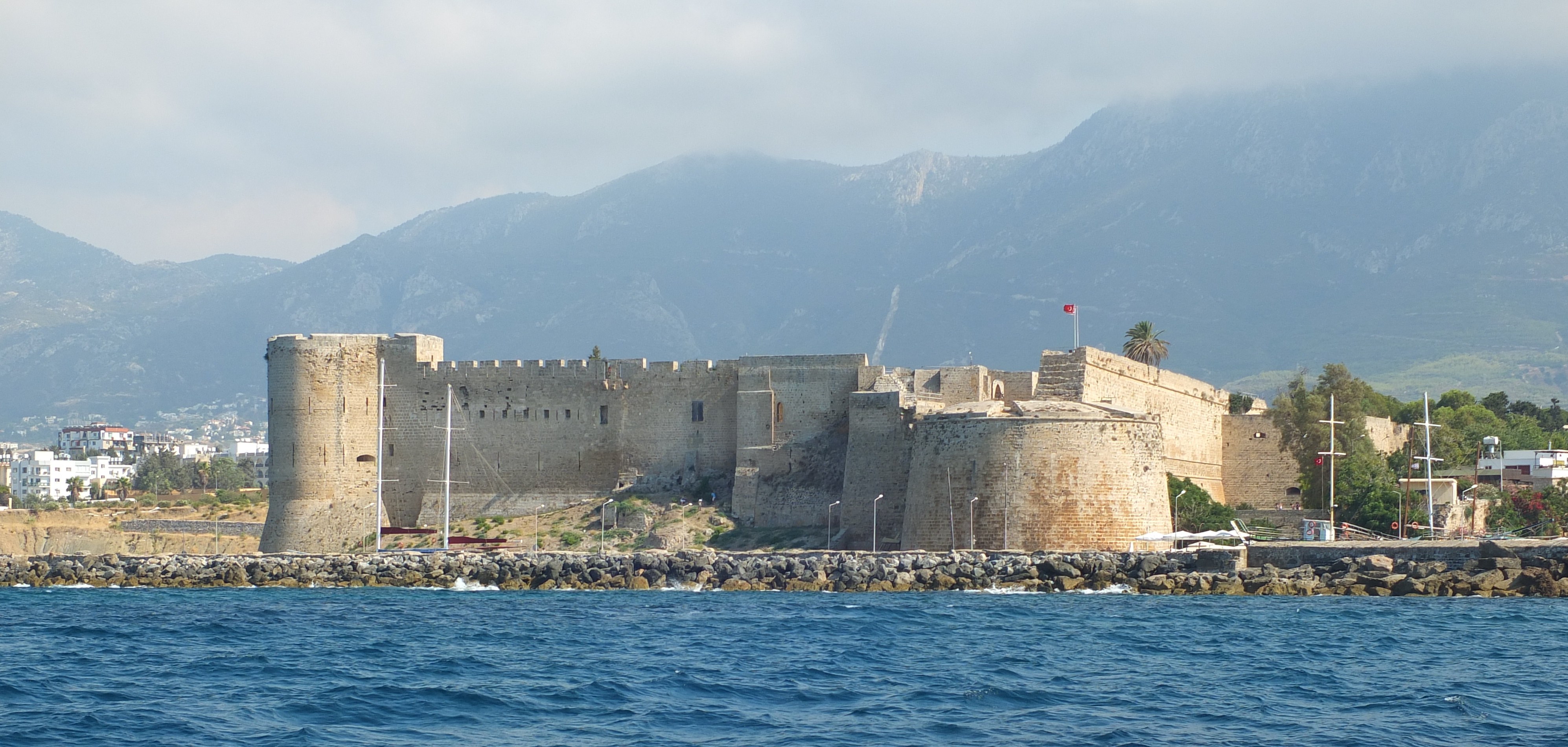
North Cyprus tourism is closely tied to holiday travel to coastal areas, historic sites, and the experience of staying in well-located accommodation—especially around Kyrenia, a historic coastal town. When visitors arrive, they don’t only spend on hotels. They also spend on transport, food and drink, tours, shopping, and local services that support those experiences.
If you’re planning your stay, you can start with the broader overview at Home or explore more posts via /blog/.
Economic benefits of tourism
Tourism can strengthen an economy through direct spending and by creating demand across supply chains. Here are the main ways that holiday travel can translate into measurable economic activity in North Cyprus.
1) More jobs across many skill levels
Tourism creates employment not just in hotels, but also in restaurants, transportation, tour guiding, maintenance, cleaning, and retail. Importantly, it can support both seasonal work and longer-term positions when demand is steadier.
2) Support for local businesses and supply chains
When visitors book accommodation and activities, money flows into multiple local sectors:
- Hospitality (rooms, food, events)
- Food & beverage (restaurants, cafés, markets)
- Transportation (transfers, car rental, public transport demand)
- Guides & excursions (tours, day trips, heritage experiences)
- Services (laundry, maintenance, utilities support)
3) Increased demand for infrastructure and services
As visitor numbers grow, there is often stronger pressure to improve roads, signage, visitor information, and public services. Over time, those upgrades can benefit residents as well—especially when improvements are designed for year-round use.
4) Opportunities for product and destination development
Tourists do not only buy a bed for the night. They also look for experiences. That can encourage local investment in new attractions, improved cultural programming, and better-developed holiday packages.
Challenges faced by the tourism sector
Tourism can be a strong economic engine—but it can also create vulnerabilities. Understanding the tradeoffs helps stakeholders plan smarter, not just bigger.
1) Seasonality and uneven income
Many destinations experience peaks during certain months, which can lead to seasonal hiring and uneven business revenue. For workers and small businesses, that seasonality can make budgeting difficult and can reduce long-term investment.
2) Strain on local services and the environment
When visitor numbers rise quickly, demand can outpace capacity in areas like waste management, water usage, and traffic. Tourism planners often need to balance short-term gains with long-term sustainability.
3) Reliance on a limited set of markets
If a region depends heavily on a small number of source markets, global travel disruptions can hit quickly. Diversifying visitor profiles, travel seasons, and partnership channels can reduce that risk.
4) Skills and service quality gaps
Tourism relies on service quality—hospitality, communication, and reliable guest support. When staffing changes frequently (especially seasonally), training and consistent standards become a challenge.
For additional context on tourism’s broader economic and sustainability considerations, the following references are useful:
Future of tourism in North Cyprus
The future is likely to be shaped by how well the sector adapts—economically, operationally, and environmentally.
1) More focus on year-round experiences
To reduce seasonality, destinations often expand shoulder-season programming: cultural events, guided heritage trails, local food experiences, and active-holiday options that work outside peak summer demand.
2) Better visitor information and smoother planning
Travelers increasingly expect clear, up-to-date information. Destinations that improve maps, attraction details, and pre-arrival guidance can increase conversion (bookings) and reduce guest friction—supporting steadier tourism revenue.
3) Responsible tourism practices
Long-term economic benefits depend on keeping the destination’s quality high. That means managing environmental pressures and building tourism models that protect local resources and community wellbeing.
4) Practical destination marketing partnerships
Regional growth can improve when hotels, local tour operators, and service providers coordinate on messaging and packages. Well-structured partnerships help visitors find the right experiences—and help businesses plan capacity more reliably.
Small, measurable improvements are often the most powerful. If you’re running a hospitality website or managing everyday digital operations, these general service categories can help connect digital workflows to business outcomes: AI integration services.
Conclusion
Tourism can be a practical pathway to economic growth in North Cyprus by supporting jobs, encouraging local business spending, and driving demand for better services and destination development. At the same time, the sector faces real challenges like seasonality, pressure on local infrastructure, and the need for consistent service quality.
Key takeaways:
- Tourism impacts the economy through multiple supply chains—not only hotels.
- Seasonality and capacity limits can weaken the benefits.
- Future growth is strongest when experiences expand beyond peak months.
- Responsible practices help preserve the destination that visitors come for.
If you’re considering a North Cyprus holiday, explore more planning ideas on /services/ and browse related guides on /blog/.