
A Guide to Local Transportation in North Cyprus
A Guide to Local Transportation in North Cyprus
If you want North Cyprus to feel easy, decide how you will move around before the trip starts. Transport is one of those details that looks small on paper and then quietly controls everything else: what hotel is practical, how late you can stay out, whether a beach day stays simple, and whether a day trip becomes relaxed or oddly expensive.
When travelers ask the right questions, the choice becomes clearer. Will you rely on buses and shared taxis, or do you want the freedom of a rental car? Is a hotel in central Kyrenia enough, or do you need a base with parking and transfer help? What happens after dark? And which option still makes sense when luggage, children, or a late arrival enter the picture? For the driving rules and general traveler guidance, I cross-check the UK government driving advice for Cyprus, the RAC guide to driving in Cyprus, and the Visit Cyprus tourism site before I settle on a practical recommendation.
This guide is built to help you choose the safest reasonable default. I will compare the main transport modes, explain where public transport works well, show when a rental car is worth the extra effort, and map the road habits that matter most. If you want a broader sense of the site and its travel focus, the About page gives the background, while the Services page is the place to look if you want help with trip planning, bookings, or accommodation support.
North Cyprus is not difficult to navigate, but it rewards people who make a decision instead of improvising one every morning. That is usually the difference between a trip that feels light and one that feels like logistics wearing sandals.
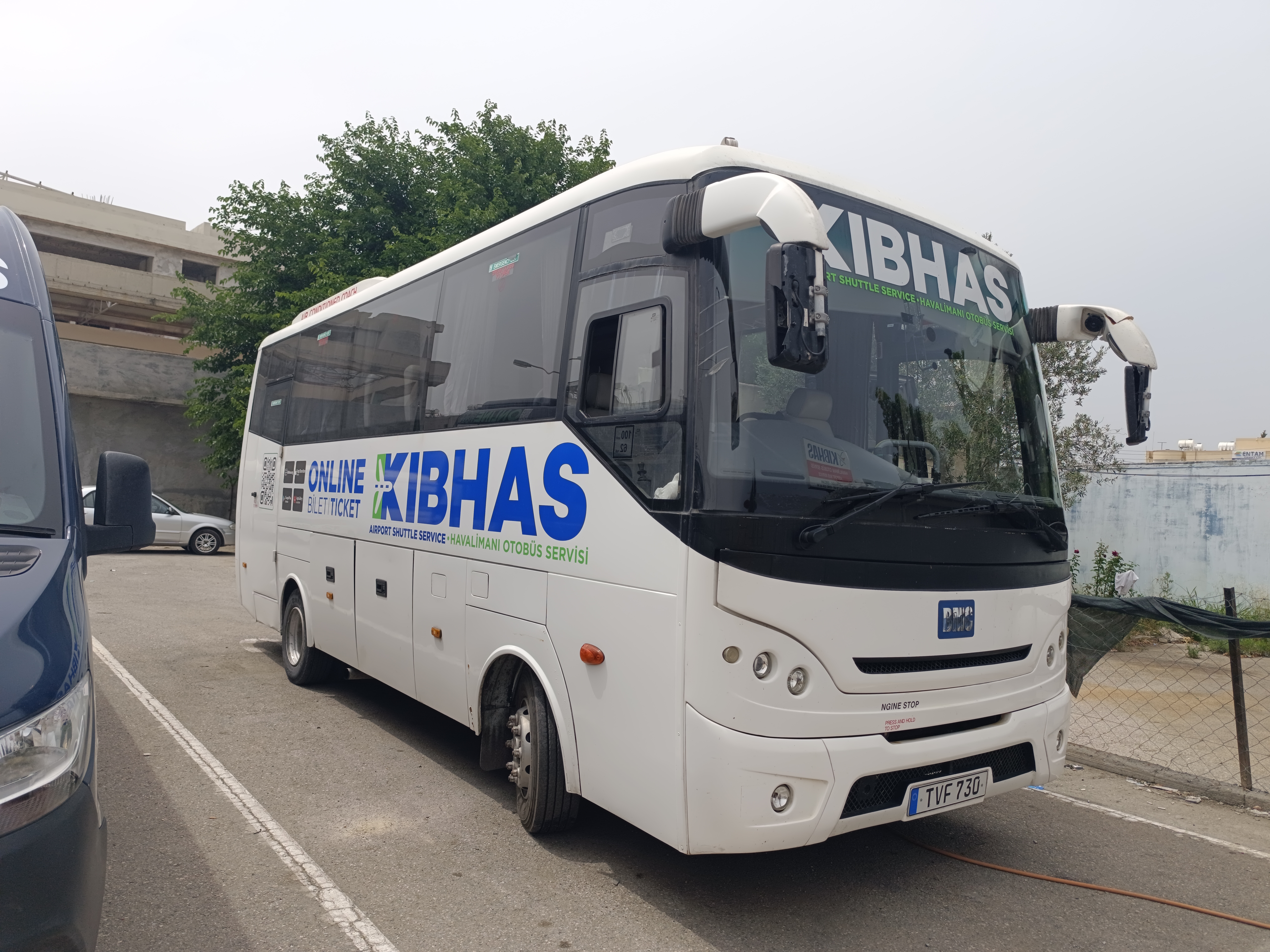
Local Transport At A Glance
I usually think of local transport in North Cyprus as a choice between control, price, and convenience. You can have all three, but rarely in the same proportion. The table below gives the short version.
| Option | Best fit | Strengths | Watch for |
|---|---|---|---|
| Public buses | Budget travel and predictable day routes | Low cost, simple for a few major corridors, good for travelers with flexible timing | Less useful for late nights, door-to-door hops, or tightly timed itineraries |
| Shared taxis / minibuses | Travelers who want a middle ground | Faster than waiting for a bus, often easier than managing a full car rental | Departure times can depend on demand and route habits |
| Private taxis | Airport arrivals, evenings out, short hops | Convenient, direct, and ideal when luggage or time matters more than cost | Can become expensive if used for every trip |
| Rental cars | Day trips, families, and independent travelers | Maximum freedom, easy access to beaches and inland sights, better for multi-stop days | Parking, insurance, and road familiarity require attention |
| Hotel or transfer shuttles | Guests who want arrival simplicity | Less decision-making on the first day, useful after a flight or ferry crossing | Less flexible than self-driving once you are settled |
The rule is simple: the farther you want to roam, the more likely a car becomes the best fit. The closer you stay to one town center, the more useful taxis and short rides become. Public transport sits in the middle. It is useful, but it asks you to accept its rhythm instead of your own.
Public Transport Options
Public transport in North Cyprus is workable, especially if your days are built around a few known stops instead of dozens of small errands. The question is not whether it exists. The question is whether it fits the shape of your trip. For a broader official overview of buses, taxis, and island transport, the Visit Cyprus transportation guide is a useful cross-check.
Intercity Buses
Intercity buses are the most straightforward budget option. They are best when you want to move between major towns without paying for the flexibility of a private car. If you are staying several nights in Kyrenia and planning only one or two larger outings, a bus can be a reasonable choice. It will not impress anyone with speed or glamour, which is often how you know it is still doing the job it was designed to do.
Use buses when your schedule is loose enough to absorb a wait. They make the most sense for daytime movement, straightforward routes, and travelers who are comfortable checking departure points in advance. If you are carrying beach gear, camera bags, or luggage, be honest about how much convenience you are giving up to save money.
What I would watch for:
- Route frequency, especially outside the main daytime window.
- Whether your destination is actually close to the drop-off point.
- Whether you are comfortable returning the same way after sunset.
Shared Taxis And Minibuses
Shared taxis and minibuses often sit in the practical middle ground. They tend to be faster and more direct than a bus, but less costly than a private taxi for every journey. That makes them a sensible compromise for travelers who want to avoid renting a car yet still want more freedom than a fixed timetable provides.
They are especially useful for solo travelers or couples who want to move between towns without building a whole day around transport. The tradeoff is that shared services reward patience. You may wait until the vehicle fills or until the route reaches enough demand to justify moving. If your day works only when you leave at 9:12 and arrive at 9:47, this is not your best lane.
Where shared transport works well:
- Short city-to-city trips.
- Visitors who do not want to manage parking.
- Travelers who are flexible about departure timing.
Private Taxis
Private taxis are the easiest option to understand because they trade money for certainty. You ask, you get in, and you move. That simplicity matters most on arrival days, after dinner, or when the group has luggage and nobody wants a negotiation contest in the car park.
Taxis are a strong default for short hops in Kyrenia, transfers from the hotel to the harbour, and late-evening returns. They also make sense if you are only in North Cyprus for a few days and do not want to spend time learning the transport rhythm. The price is the obvious downside. Use taxis where convenience is worth paying for, not as a reflex for every errand.
A practical rule: if the ride is short and the timing matters, taxi. If the trip is longer and you want to explore more than one stop, rent a car. There are more elegant theories of travel, but this one usually survives reality.
Hotel Transfers
Hotel transfers are less a transport category than a stress-reduction tool. If you are arriving late, bringing children, or landing after a long transfer chain, a pre-arranged pickup can be the difference between an easy first hour and a confusing one. This is especially useful if your stay is centered on Kyrenia and you want to reach the hotel, drop bags, and move on with the holiday.
If you are helping run a hotel desk, a transfer book, or a small local transport service, the work becomes much easier when booking requests, driver notes, and arrival times live in one place. In that case, a neutral overview of AI integration services can be a useful reference for thinking about how to connect booking requests to one workflow instead of three disconnected inboxes.
For travelers, the main point is simpler: if arrival day is the one day you do not want to improvise, pre-book the ride. Travel has enough drama without making the first leg of it a guessing game.
Car Rental Tips
Renting a car in North Cyprus is not mandatory, but it can be the best choice if you want to mix beaches, villages, mountain roads, and town centers in the same trip. The rental car changes the equation from “Can I get there?” to “How much can I comfortably fit into one day?” That is a much better problem to have.
Before you book, I would check five things first:
| Check | Why it matters | Good question to ask |
|---|---|---|
| Insurance | Road and parking incidents become expensive quickly | What is covered, and what is excluded? |
| Fuel policy | Different policies change the real price | Does the car return full, partial, or by prepaid package? |
| Pickup location | Airport and hotel pickups save very different amounts of time | Can the car be handed over at arrival without extra friction? |
| Deposit | Deposit size affects your travel budget | How much is held, and how is it released? |
| Car size | Roads and parking are easier with the right footprint | Will a smaller car fit your bags and your plans? |
Smaller is often smarter. North Cyprus rewards practical cars more than grand ones. A compact vehicle is easier to park, easier to turn around on narrow streets, and usually less stressful on roads you have not yet learned. That is not a romantic answer, but it is a useful one.
For families, the best rental is usually the one that removes friction rather than the one that looks generous in the brochure. Check child-seat availability if you need it, ask about luggage space if you plan long beach days, and confirm whether you will be driving mainly in town or also into the hills. If the trip includes multiple towns, scenic stops, or a few beaches spread out across the coast, a car usually pays for itself in saved time and reduced dependency.
For couples or solo travelers, a car is worth it when the itinerary is explorer-heavy. If you want to linger in one area and mainly eat, walk, and sleep well, then a taxi-plus-walk strategy can be cheaper and simpler. The point is not to rent by habit. The point is to rent only when mobility is the actual constraint.
There is also a quieter benefit: a car lets you choose your own schedule for sunset stops, beach detours, and dinner reservations. That freedom is easy to overlook when you are comparing rates, then suddenly very obvious once the first restaurant closes before you arrive.
Navigating The Roads
Driving in Cyprus means driving on the left, and that is one of the first things worth internalizing before you arrive. The regional risks guidance for Cyprus is worth checking before you drive, especially if you want a broader travel safety context. That advice sounds obvious until the first roundabout reminds you that local habits are stronger than confidence.
My operating checklist for driving in North Cyprus is short:
- Take a minute before departure to reset your mental map for left-side driving.
- Use offline maps as a backup, especially if you plan to leave the main town routes.
- Allow extra time for coastal and hill roads, because speed limits are not the same as comfortable speed.
- Do not assume parking will be obvious in tight old-town streets.
- Keep enough cash on hand for small, practical purchases where cards are not the most convenient tool.
Roundabouts deserve special respect. They are not difficult, but they reward attention. Enter slowly, know your exit, and avoid the classic traveler mistake of trying to improvise confidence at the exact moment the traffic requires competence. That trick rarely improves the schedule.
Road conditions vary by area. Main roads are generally more forgiving, while older town lanes and inland routes can ask for more patience. The safest move is to slow down enough that the road, rather than your assumptions, sets the pace. That is especially true after dark, when unfamiliar turns and limited lighting make overconfidence an expensive hobby.
For travelers staying in Kyrenia, a practical pattern is to use the hotel as the anchor and then branch out. Walk the harbour area when that makes sense, use taxis for evening hops, and switch to a rental car only when the day calls for wider movement. That hybrid approach often gives the best balance of cost and freedom.
Which Option Fits Which Traveler
Sometimes the fastest way to choose is not by transport type but by traveler type. The table below turns the decision into a practical rule instead of a mood.
| Traveler type | Best default | Why it works |
|---|---|---|
| Budget traveler | Bus or shared taxi | Lower cost matters more than perfect timing |
| Couple on a short break | Taxi plus walking | Simple, flexible, and usually enough for a few central days |
| Family with luggage | Rental car or pre-booked transfer | Reduces friction when the group is moving as a unit |
| Independent explorer | Rental car | Best for beaches, villages, and inland routes |
| Late arrival | Private transfer or taxi | Arrival day is not the day to gamble on patience |
If you are still undecided, choose the option that reduces the number of decisions you need to make after arrival. That is usually the safer default. A transport plan should lower friction, not become a second itinerary.
Useful Terms To Know
Travel guides often use transport terms as if everyone already speaks them. They do not. A few definitions help prevent expensive confusion.
| Term | Meaning | Why it matters |
|---|---|---|
| Dolmuş / shared minibus | A shared, usually flexible route vehicle | Cheaper than a taxi, but less predictable than a private car |
| Private transfer | A booked ride for your party only | Good for arrivals and people with luggage or children |
| Hire car / rental car | A vehicle rented for independent use | Best for multi-stop sightseeing and longer stays |
| Metered taxi | A point-to-point ride paid for by distance or rate | Simple for short hops and evening plans |
| Transfer desk | A hotel or agency point that arranges pickups | Useful when you want one person to own the logistics |
These terms are ordinary enough once you know them, but not knowing them is how travelers end up paying for convenience they did not actually need. The cheaper choice is not always the best choice, but the unplanned choice is very often the most expensive one.
Planning Your Stay Around Transport
Transport and accommodation are linked more tightly than many travelers expect. A central Kyrenia hotel makes taxis and walking a more attractive combination. A resort farther out may make parking and car rental more attractive. A family suite with transfer help can save the first half-day of a holiday. The mistake is to treat transport as a separate decision from where you sleep. It is not separate. It is part of the same system.
If you are comparing hotels, ask a practical set of questions: Is parking easy? Is there a transfer desk? Can the hotel arrange a driver if needed? How far is the harbour, the beach, or the nearest bus stop? Those details matter more than the brochure language. The brochure is there to persuade you; the road is there to test you.
That is also where small hotel teams and local service operators can benefit from better workflow design. Booking forms, guest messages, transfer notes, and driver schedules become much easier to manage when they are not scattered across multiple inboxes and notebooks. Clean handoffs matter. Chaos is expensive, and transport desks tend to discover that fact at the exact moment a guest is already waiting.
For readers, the practical takeaway is simple: pick a base, then pick the transport mode that supports it. Do not try to make one transport choice solve every possible scenario. Life is already doing enough of that.
Conclusion
North Cyprus is easy to enjoy once you stop treating transport as an afterthought. Public buses and shared taxis make sense for budget and flexibility. Private taxis win for short, direct trips. Rental cars win when your plan spreads beyond one town and one dinner reservation. And hotel transfers are the sensible answer when the first hour of the trip needs to be calm rather than clever.
If I had to reduce the whole guide to one rule, it would be this: choose the mode that fits the shape of your holiday, not the one that sounds best in theory. A short stay in Kyrenia can often work with taxis and walking. A broader North Cyprus trip usually becomes smoother with a car. Somewhere in between sits the traveler who uses a bus one day, a taxi the next, and keeps the whole thing pleasantly ordinary.
If you want to keep exploring the site after this guide, the safest next stops are the Home page, the About page, and the Services page. Each one gives a different angle on the same idea: a good trip is usually the result of a few clear decisions made early.