Best Time to Visit North Cyprus: Seasonal Guide
Best Time to Visit North Cyprus: Seasonal Guide
If you are trying to pick the right week, month, or season for North Cyprus, the short answer is simple: it depends on what kind of holiday you want. A beach-first trip, a harbour stroll, a festival break, and a quiet winter escape all suit different corners of the calendar. The fun part is that North Cyprus can do all four without much drama.
People usually ask the same planning questions: When is the weather warm enough for the sea? When are the crowds lighter? Which season has the best events? and how much packing regret can one suitcase hold? For a quick climate check, the official Visit NCY climate and weather guide and WeatherSpark’s Kyrenia climate overview both show the same basic pattern: long, hot summers, mild shoulder seasons, and a winter that is gentler than most travellers expect.
North Cyprus is one of those places where the season changes the mood of the trip more than the destination itself. In summer, the coast feels bright and busy. In spring and autumn, the same streets slow down just enough to feel easy. In winter, the harbour towns become quieter and more local. If you want more trip-planning help once you have the season sorted, start with the home page, browse the blog for related guides, or use the contact page if you are putting together a more specific itinerary.
In this guide, I’ll map out what each season feels like, where the trade-offs are, which events are worth noting, and how to pack and book without overthinking it. That last part matters more than it sounds. The weather is not trying to trick you, but it does enjoy a little unpredictability on the edges of the season.
| Season | Best for | Typical feel | Main trade-off |
|---|---|---|---|
| Spring | Walking, sightseeing, flowers, early beach days | Mild, fresh, bright, and usually very comfortable | Some rain, cooler evenings, and the odd windy day |
| Summer | Swimming, beach time, late evenings, full holiday energy | Hot, dry, sunny, and beautifully committed to the coast | Heat, stronger crowds, and more need for shade |
| Autumn | Balanced trips, comfortable sightseeing, food and culture | Warm early on, gentler later, with a slower pace | Shorter days and a gradual shift toward cooler weather |
| Winter | Quiet breaks, lower prices, local atmosphere | Mild by European standards, cooler and calmer | Some beach activities and seasonal attractions are limited |
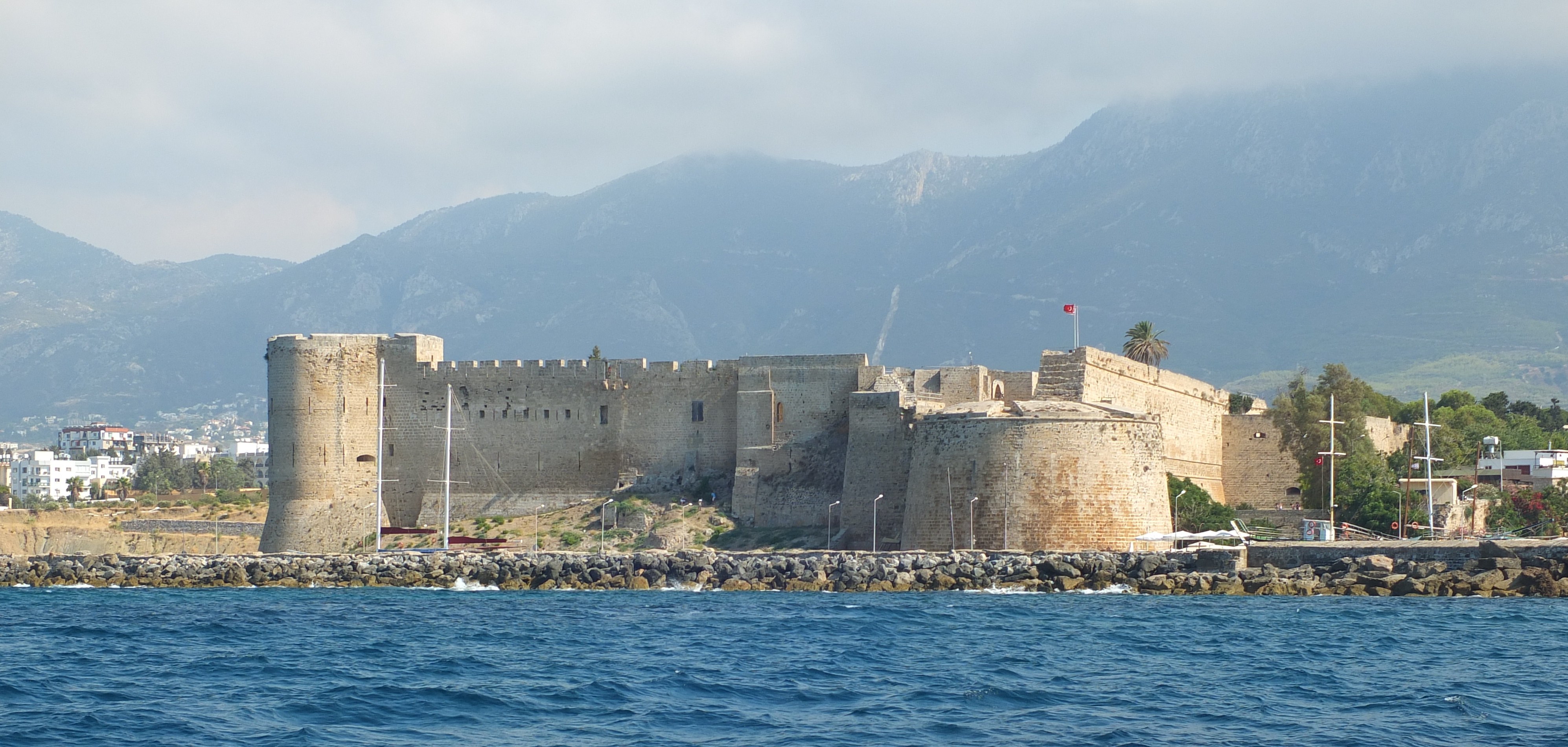
Introduction to North Cyprus seasons
North Cyprus sits in the eastern Mediterranean, so the climate follows a familiar rhythm: long dry summers, softer spring and autumn shoulder seasons, and a winter that is generally mild rather than severe. That sounds straightforward until you start planning a trip and realize that “mild” can mean one thing to a traveller from Scandinavia and something very different to someone coming from a hot coastal city.
The easiest way to think about it is this: the season you choose should match the kind of day you want to have. If your idea of a good holiday is swimming, long lunches, and beach time that drifts into sunset, summer is the obvious pull. If you want to explore Kyrenia’s harbour, castles, monasteries, and mountain roads without melting into your shoes, spring and autumn are the sweet spot. If you want a quieter trip with a more local feel, winter has its own charm, even if it is not the season for dramatic tan lines.
The official Visit North Cyprus travel guide describes the island as a place with something new to offer in every season, and that is the right mindset. There is no single perfect month for everyone. There is only the month that best matches your patience for heat, your love of events, and your tolerance for carrying a light jacket “just in case.”
For a practical picture, I like to sort the year into four travel moods:
- Spring: the season of easy walks, blooming hillsides, and first beach days that feel like a reward.
- Summer: the season of sea swims, full terraces, and sunset dinners that somehow start later every week.
- Autumn: the season of calm weather, lighter crowds, and the best balance between beach and sightseeing.
- Winter: the season of quiet streets, lower-key travel, and the chance to see the region without the summer rush.
If you want the short answer before the longer version: late spring and early autumn are the best all-round choices. That said, the “best” season changes if your priority is festivals, swimming, or low-key travel. That is where the real choice begins.
Pros and cons of each season
Spring: the easiest season for first-time visitors
Spring is the season I would point most first-time visitors toward if they want a balanced trip. The weather is usually comfortable for walking around Kyrenia, Bellapais, and the inland villages, and the landscape often feels fresher than it does in peak summer. You can spend a day outside without immediately negotiating with the sun as if it were a difficult landlord.
Why spring works well: temperatures are generally mild, flowers and greenery are at their best, and sightseeing feels less tiring. This is a strong season for harbour walks, castle visits, scenic drives, and mixed itineraries that combine coast and culture.
What to watch for: spring can still bring some rain, cooler evenings, and enough changeable weather to make layers useful. If you are planning beach time, the sea may feel refreshing rather than bath-warm early in the season. That is not a flaw. It is just a reminder that nature was not built for our comfort calendar.
Spring is also a good season for travellers who want to keep the trip flexible. If you are the kind of person who likes to wander through old streets, stop for coffee, and then decide whether the afternoon should become a museum visit or a harbour lunch, spring gives you room to do that.
- Pros: comfortable temperatures, colourful scenery, easy sightseeing, fewer summer crowds.
- Cons: occasional showers, cooler nights, early-season sea temperatures that may not suit everyone.
For weather planning, the official Visit NCY climate page and seasonal climate summaries such as WeatherSpark’s Kyrenia overview both support the same practical conclusion: spring is one of the most forgiving times to explore North Cyprus without heat becoming the main character.
Summer: the best season for beach energy
Summer is when North Cyprus fully leans into the Mediterranean holiday idea. The sea looks its bluest, the evenings stay warm, and the coast has that lively, confident feel that makes people forget what time they started lunch. If your goal is swimming, sunbathing, boat trips, and beach clubs, summer is the easiest answer.
Why summer works well: the weather is reliably hot and dry, beach conditions are at their best, and the holiday atmosphere is strongest. If you want a trip that feels vibrant and active, this is the season that delivers it.
What to watch for: the heat is real, especially in inland or midday sightseeing. Popular beaches and harbour areas can feel busier, and you will want to plan around shade, hydration, and a slower daily rhythm. Summer is not complicated, but it does like structure. Go out early, rest in the middle of the day, and come back out when the light softens.
Summer also has a slightly different social rhythm. Dinner happens later. Walks happen later. People sit longer. Even the sea seems to wait for you to finish one more glass of something cold before it asks you to jump in.
- Pros: perfect beach weather, long daylight hours, energetic atmosphere, strong swimming conditions.
- Cons: hottest temperatures, more crowded attractions, more need for sun protection and planning.
If your ideal holiday is “beach first, everything else second,” summer is still the best fit. Just book earlier, bring good sunscreen, and accept that the midday sun is not in the mood for compromises.
Autumn: the sweet spot for balance
Autumn may be the most underrated season for North Cyprus. Early autumn still carries summer warmth, but the pressure drops a little. The light becomes softer, the air feels easier to move through, and sightseeing gets more comfortable again. For many travellers, this is the season where the trip finally feels balanced: warm enough for the sea, cool enough for the sights, and relaxed enough that you stop checking the clock every ten minutes.
Why autumn works well: it gives you a useful blend of beach weather, calmer streets, and a better pace for cultural visits. If you want one season that does a bit of everything, this is a very strong candidate.
What to watch for: as autumn moves on, the evenings shorten and the weather gradually shifts toward cooler conditions. Some seasonal attractions may begin reducing hours, and the beach mood becomes less intense. That is not a drawback if you prefer slow travel, but it is worth knowing before you plan a full-on summer itinerary in late October.
I would especially recommend autumn for couples, older travellers, and anyone who likes their holidays to feel spacious rather than crowded. You can still enjoy the coast, but you are less likely to feel like you arrived in the middle of everyone else’s long weekend.
- Pros: pleasant temperatures, lighter crowds, flexible trip style, good balance for beach and sightseeing.
- Cons: shortening days, slightly less predictable weather later in the season, some venues moving toward off-season hours.
Winter: quiet, mild, and better than its reputation
Winter in North Cyprus is not the season for people who want guaranteed beach afternoons every day. It is, however, much gentler than many visitors expect. Temperatures remain mild by northern European standards, and the region keeps its appeal through harbour walks, historic sites, café time, and slower exploration. If summer is the extrovert, winter is the thoughtful one who still knows where the best table is.
Why winter works well: fewer crowds, a more local atmosphere, and a better chance to explore without the seasonal bustle. Hotels and restaurants can feel calmer, and the pace of the trip becomes more about atmosphere than activity count.
What to watch for: some beach activities become limited, and you should expect the occasional cool or rainy day. If you want a packed schedule of water sports and late-night seaside energy, winter will feel too quiet. If you want to see the region at a more human speed, it can be very rewarding.
Winter is also the easiest season for travellers who dislike humidity or heavy heat. You can still have a lovely holiday, but you should pack with realism rather than optimism. That means a jacket, closed shoes, and a plan that does not depend on the weather behaving like a brochure.
- Pros: quiet travel, mild temperatures, easier booking, local feel, good for slow sightseeing.
- Cons: fewer beach and water-based options, cooler evenings, more likelihood of weather changes.
Key events and festivals
Seasonal planning in North Cyprus is not only about temperature. It is also about the event calendar. A trip that includes the right festival or concert can feel very different from a standard beach break. The official events and festivals calendar is the best place to check what is actually running at the time you travel, but there are a few seasonal patterns that are worth keeping in mind.
Spring: music and early cultural events
Spring is one of the strongest periods for cultural outings. The official Kyrenia visitor guide notes that the International Bellapais Music Festival takes place in May and June, and it also points to the Ozanköy Carob Pekmez Festival in June. That is a helpful reminder that spring in North Cyprus is not only about weather. It is also a very good time for music, local traditions, and village-scale celebrations.
Bellapais is especially worth watching because the setting changes the experience. A concert in a historic monastery is not just “an event”; it is a full evening plan with atmosphere built in. If your holiday idea includes a cultural highlight instead of just a good sunset, spring is the season most likely to deliver one.
Summer: open-air evenings and a fuller calendar
Summer tends to be the liveliest part of the year for outdoor events. The official events calendar and visitor pages suggest a steady flow of concerts, festivals, and public gatherings across the island during the warm months. Not every event will matter to every traveller, of course, but summer is the season when you are most likely to stumble into something lively on a harbour front or in a town square.
This is the season for late dinners that turn into music, evening festivals that make sense only after sunset, and the general feeling that the island has remembered it is supposed to be outside. If you want to plan around events, book accommodation with a little flexibility and keep an eye on the official calendar close to travel dates because summer listings can change quickly.
Autumn: harvest festivals and local produce
Autumn is the season of harvest-style events, food festivals, and local produce celebrations. That makes sense in a place where the land still matters as much as the coast. You will see more discussion of grapes, olives, carob, and other regional produce in local calendars as the year moves into the cooler months.
If spring is the season for music, autumn is often the season for flavour. This is a good time to plan around village festivals, local markets, and simple food experiences that feel tied to the place rather than to a fixed tourist itinerary. I would especially recommend autumn if your holiday tastes run toward olive oil, meze, and the kind of street event where the best part is wandering rather than scheduling.
Winter: quieter cultural programs
Winter is naturally calmer, but that does not mean there is nothing happening. Instead, the event calendar leans more toward concerts, museum visits, local gatherings, and slower cultural experiences. It is the time when a traveller can enjoy North Cyprus without needing to build every day around high-season momentum.
For some people, that is the best kind of trip. You can wake up later, spend more time in cafés, and let the day unfold around the weather instead of trying to outrun it. If you are after headline festivals, plan for spring or summer. If you are after a quieter cultural break, winter can be very satisfying.
Tips for seasonal travel
Once you know the season, the rest becomes much easier. The trick is not to pack for every possible version of the trip. The trick is to match your suitcase, bookings, and expectations to the weather you are most likely to meet.
What to pack by season
| Season | Pack these extras | Reason |
|---|---|---|
| Spring | Light jacket, umbrella or compact rain layer, comfortable walking shoes | Useful for changeable days and cooler evenings |
| Summer | Sun hat, sunglasses, high-SPF sunscreen, swimwear, refillable water bottle | Needed for strong sun and long beach days |
| Autumn | Layers, sandals plus closed shoes, a light outer layer for evenings | Matches warm days and cooler nights |
| Winter | Warmer jacket, closed shoes, an extra sweater, compact rain protection | Helps with damp or cooler days and evening walks |
One simple rule saves a lot of packing mistakes: if a garment only works in perfect weather, leave it behind unless the forecast is certain. North Cyprus is friendly to travellers, but it still expects a little common sense.
When to book accommodation and flights
For spring and autumn, book earlier if you want good hotel choices. These shoulder seasons are popular because they offer the best balance of weather and comfort. Summer often fills first for beach-focused stays, especially in the coastal areas around Kyrenia. Winter can be more flexible, but if you want a specific hotel, harbour view, or family suite, it still pays to reserve ahead rather than hope for a miracle and a cancellation.
Flights and hotels tend to be most competitive when travellers are planning around school holidays, major festivals, and extended warm-weather breaks. If your dates are fixed, lock them in sooner. If your dates are flexible, compare both the shoulder season and the early summer window before you settle.
How to dress without overthinking it
North Cyprus is relaxed, but it is still worth dressing with a little context. Beachwear belongs at the beach or pool. When you visit monasteries, churches, or more traditional village spaces, a modest outfit is the safer and kinder choice. That usually means shoulders covered and shorts or skirts that are not too short. You do not need to overdress. You just need to avoid looking as if you got dressed in a hurry for three completely different activities at once.
Comfortable shoes matter in every season. Kyrenia’s harbour areas, old streets, and hill-side stops are more enjoyable when your feet are cooperating. I would rather carry one smart extra outfit than one pair of stylish shoes that cannot survive a full day of walking.
Travel pacing by season
The best seasonal travellers do not just pack differently. They pace differently. Summer usually works best when you plan early starts, a long midday pause, and more active evenings. Spring and autumn can handle fuller sightseeing days, especially if you want to combine the coast with historic sites or village stops. Winter is the season for a slower itinerary with cafés, harbour views, and less pressure to “do everything.”
In other words: don’t fight the season. Use it. That is the whole trick. North Cyprus is not trying to be one holiday all year round. It changes just enough to reward travellers who notice the difference.
So, when is the best time to visit?
If you want the shortest possible answer, I would put it this way:
- Best all-round months: April, May, late September, and October.
- Best beach months: June through early September.
- Best for events: May, June, and the main summer festival period.
- Best for quiet travel: November through February.
That does not mean the other months are bad. It just means each season solves a different problem. Spring gives you comfortable sightseeing. Summer gives you full coastal holiday energy. Autumn gives you the best balance. Winter gives you space and calm. The right season is the one that matches your own travel habits, not the one that sounds best in a brochure.
If you are still undecided, choose the season that fits your temperament. If you like movement and long days outside, spring and autumn are your friends. If you want swimming weather and bright evenings, summer wins. If you prefer a slower, quieter break with more breathing room, winter is waiting politely.
Conclusion
North Cyprus is the kind of destination that rewards timing. The landscape, the harbour towns, the food, and the festivals are all there year-round, but the season changes how the trip feels in a very real way. Spring and autumn are the safest all-round picks, summer is best for beach lovers, and winter is ideal for travellers who want a quieter pace.
The useful thing is that none of these seasons are wrong. They just suit different versions of the same trip. If you plan around the weather, book with the season in mind, and leave room for a few local surprises, North Cyprus will do the rest. That is the plain version, anyway. The slightly more poetic version is that the island gives you the holiday you make space for.
For more North Cyprus travel ideas, keep browsing the blog. If you are deciding between seasons for a particular trip, the contact page is the easiest place to ask a practical question before you book.