Exploring the Nature Reserves of North Cyprus
If you want the short version, North Cyprus rewards slow travel: a day that starts with a sea view can end under pine trees, with sand still on your shoes and no real desire to hurry back.
What counts as a nature reserve here? Which places are worth the drive? Where do the turtles, donkeys, orchids, and quiet coastal paths actually show up? And how do you visit without turning a peaceful landscape into a noisy checklist?
“In every walk with nature one receives far more than he seeks.” — John Muir
That quote fits North Cyprus surprisingly well. The island’s protected corners are not one single park with one single gate. They are a series of places where coast, mountain, and wildlife overlap. If you want a quick starting point, the Visit NCY Karpaz guide gives the broad landscape view, while the SPOT Alagadi booking page shows how carefully nature tourism is managed at one of the island’s best-known turtle beaches.
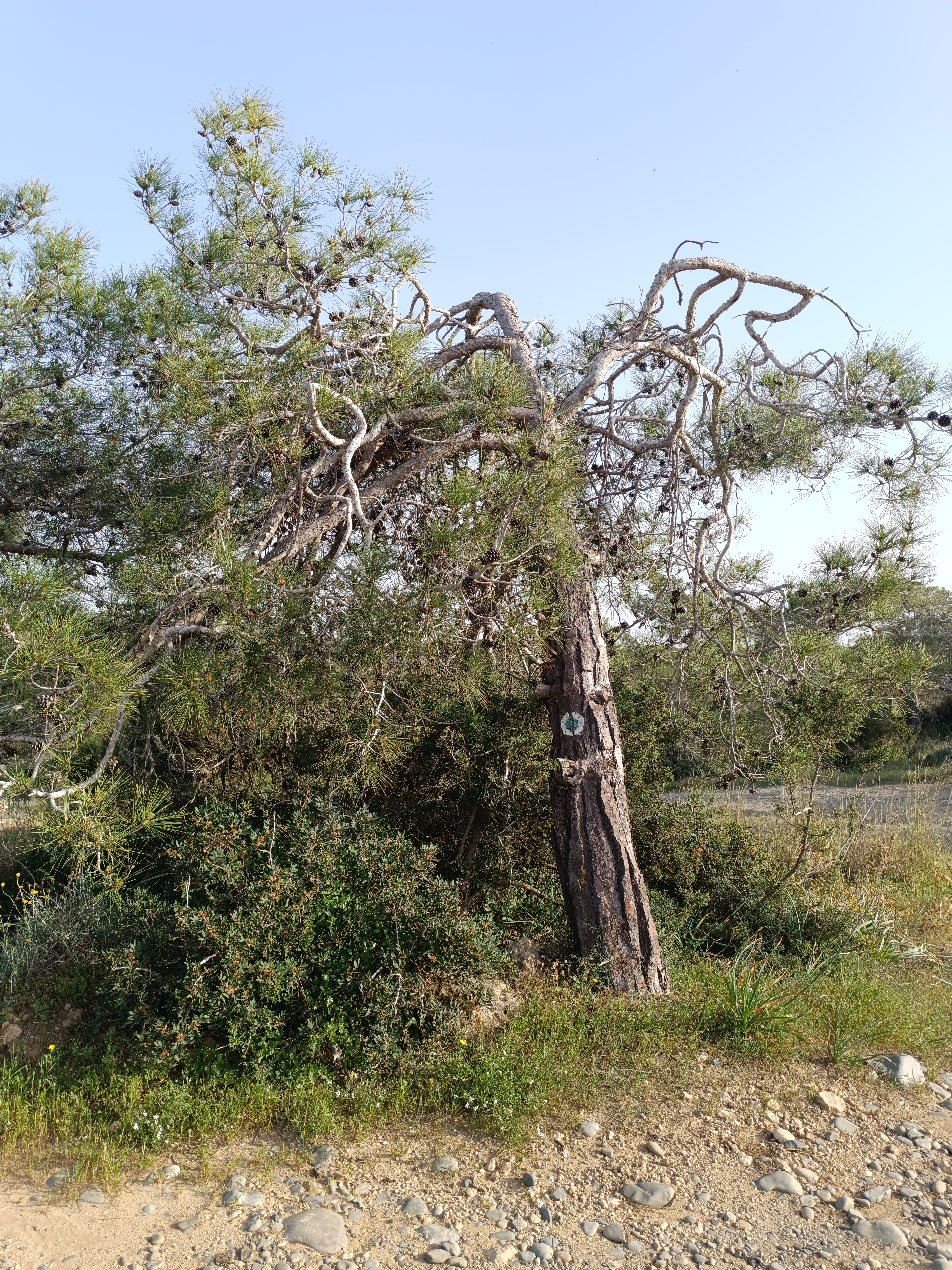
In this guide, I’ll map the places that matter most, explain what makes each one feel different, and give you a practical plan for visiting them in a way that is calm, respectful, and easy to enjoy. If you’re starting from the top, the home page, the blog index, and the contact page are the quickest ways to move around the site.
For tourism operators that keep reserve notes, booking replies, and seasonal updates in sync, a neutral resource such as AI integration services can be a practical way to connect AI to existing systems without making the visitor experience harder to use.
What Counts as a Nature Reserve Here?
The plain version is this: North Cyprus does not feel like a landscape that stays in one box. Some places are formal conservation sites, some are protected beaches, and some are mountain corridors where nature is still the main event even when people are around. That mix is part of the appeal. You can be at a coastline one hour and under a pine canopy the next, without needing a complicated itinerary or a specialty guidebook.
For visitors, the word “reserve” is useful even when the legal label changes from place to place. It points to the same basic promise: fewer buildings, fewer interruptions, and more room for wildlife and scenery to do their thing. The local tourism guide at Visit NCY’s nature archive is a good reminder that the island’s natural identity is built from many small pieces rather than one giant protected park.
If you think of it as a map of habitats instead of a single destination, the picture gets easier to read. Karpaz gives you wide open coastal space. Alagadi gives you a conservation beach with turtles at the center of the story. Alevkaya gives you a quieter mountain-and-flora experience. The Beşparmak range gives you hiking routes and panoramic views. Different doors, same invitation: come outside and pay attention.
Top Places to Put on Your Map
I like to sort the nature spots in North Cyprus by mood rather than by strict geography. That makes the planning much easier. Some places are better for a long road trip, some for a short half-day escape, and some for a quiet walk where you stop every five minutes because the view keeps interrupting you.
| Place | What it feels like | Best for | Time to plan |
|---|---|---|---|
| Karpaz Peninsula | Open coastline, empty stretches of sand, and a sense that the road goes on until the sea decides otherwise. | Full-day drives, slow photography, and wildlife watching. | Half day to full day |
| Alagadi Turtle Beach | A quiet conservation beach where turtles matter as much as the scenery. | Careful swimming, turtle watching, and evening visits with guidance. | 2 to 4 hours, or an evening booking |
| Alevkaya Forest Station | Cooler mountain air, native plants, and a more botanical pace. | Easy walks, plant lovers, and a break from the coast. | 1 to 3 hours |
| Beşparmak Mountains | Ridges, pines, old trails, and wide views across the coast. | Hiking, scenic drives, and longer outdoor days. | Half day to a full day |
Karpaz Peninsula: the place where the road softens
Karpaz is the easiest place to understand North Cyprus nature in one sitting. The peninsula stretches out toward the eastern edge of the island, and the feeling is not subtle: the land widens, the traffic thins, and the coast starts looking like it has more patience than the rest of us. The official tourism pages describe Karpaz as a place of untouched beaches and open space, and that is not marketing fluff; it is the basic experience of being there. You can read the broader overview in the Karpaz guide from Visit NCY.
What makes Karpaz special is the way it combines big scenery and small details. One minute you are looking at long beach lines and the next you are noticing wild donkeys standing with the confidence of locals who are not at all impressed by your rental car. The area is also one of the easiest places to understand why North Cyprus keeps getting described as a destination for slow, outdoor travel. It is not trying to be efficient. It is trying to be memorable.
If I had to suggest one way to enjoy Karpaz, I would keep it simple: drive slowly, stop often, and give yourself enough time to leave the main road for the lesser ones. That is where the peninsula starts paying you back. Bring water, a hat, a camera, and the kind of patience that lets a beach feel like an event instead of a backdrop.
Alagadi Turtle Beach: conservation with a shoreline
Alagadi is the reserve that teaches visitors a useful lesson: beautiful places are sometimes beautiful because someone is taking care of them. This beach, just east of Kyrenia, is closely associated with sea turtle nesting and conservation work. The SPOT Marine Life pages explain the practical side of that story, including evening watch visits and the rules that keep the beach safe for wildlife. Their Alagadi night-watch page is the clearest public sign that this is not a casual party beach with a conservation sign bolted on later. The conservation work is the point.
Two turtle species matter here: green turtles and loggerheads. That means the beach is not only scenic, it is ecologically important. A good secondary overview is the long-running Sea Turtle Status article on turtle recovery in Cyprus, which helps explain why these nesting sites matter so much in the wider Mediterranean picture.
For visitors, the main rule is not complicated: go in a way that does not interfere with the beach’s real job. Stay aware of seasonal restrictions, do not treat the nesting area like a casual late-night shortcut, and if you join a watch, follow the guidance of the volunteers or staff. That is the tradeoff at Alagadi, and it is a good one. You get a rare natural experience, and the beach gets to keep doing its work.
Alevkaya Forest Station: the quiet plant-lover’s stop
Alevkaya is not the loud headline act, and that is exactly why it belongs on the list. In the mountains above the coast, the forest station and herbarium offer a different pace: cooler air, native plants, and a stronger sense that North Cyprus is not only about beaches and castle views. It is also about the smaller green things that hide in the hills when most visitors are still looking at the sea.
The plant side of the island is richer than many first-time visitors expect. North Cyprus tourism material regularly points to the region’s biodiversity, and Alevkaya is one of the places where that biodiversity becomes easier to notice. If your ideal nature outing includes flowers, shade, and the chance to say “wait, what is that plant?” without feeling silly, Alevkaya is worth the detour.
The best way to visit is to treat it like a slow walk, not a performance. This is a place for looking closely rather than covering distance. A notebook helps. So does a phone camera, if only to remind yourself later that the island’s natural life is not all waves and sand.
Beşparmak Mountains: the hiking backbone
The Beşparmak Mountain range, also called the Kyrenia Mountains, gives North Cyprus its most obvious inland edge. If Karpaz is the open hand of the island, the Beşparmak range is the folded line of the back of it. The official Visit NCY trail page describes the Beşparmak Mountain Trail as an 18-stage route stretching about 260 kilometers from Cape Kormakitis to Cape Zafer. That is a serious trail, but you do not need to hike all of it to feel its value.
What matters most for a traveler is that the mountains create an outdoor corridor above the coast. The landscape changes quickly: pine forest, rocky paths, long views, then a sudden switch to the blue of the Mediterranean below. If you only have one walk in you, pick a manageable section and leave plenty of time for breaks. Hiking here is not just about fitness. It is about getting the island’s shape into your head from a higher angle.
I would recommend the range to anyone who likes a place to feel slightly larger than the map suggests. That is the pleasant trick of mountains: they make ordinary distances feel more interesting than they have any right to be.
Wildlife and Plant Life You’re Likely to Notice
North Cyprus is one of those places where the wildlife does not always announce itself with drama. Sometimes it is a donkey standing in the road. Sometimes it is a turtle beach at the wrong season of the year to be noisy. Sometimes it is a flower that only seems ordinary until someone points out that it only grows in that kind of landscape.
| What to look for | Where you’re most likely to notice it | Why it stands out |
|---|---|---|
| Wild donkeys | Karpaz Peninsula | They are part of the peninsula’s signature mood: open, free, and mildly indifferent to human schedules. |
| Green and loggerhead turtles | Alagadi Turtle Beach and nearby conservation beaches | They make the shoreline feel ecologically important, not just scenic. |
| Birdlife and birds of prey | Karpaz coast, mountain edges, and quieter inland stretches | Open terrain gives you better chances of noticing movement overhead. |
| Orchids and spring flowers | Alevkaya and mountain slopes | They are the kind of detail that makes a short stop feel like a small discovery. |
| Pine and cypress woodland | Beşparmak Mountains | The shade changes the whole feel of the island and gives the hikes their smell as much as their view. |
The biodiversity story is not a side note. Visit NCY’s nature coverage points out that the island supports a mix of coastal habitat, mountains, and a surprisingly rich plant world, with spring often bringing the best display. You can see that broader context in their nature archive. The useful takeaway is simple: if you spend all your time staring straight ahead at the sea, you will miss half the island.
That is probably the friendliest warning I can give. Nature travel in North Cyprus works best when you keep your eyes loose. Look up for birds, down for tracks and flowers, and sideways for those moments where the landscape quietly changes its mind about what it wants to be.
Visitor Tips for a Smooth Day Out
The practical version matters. Beautiful places are easier to enjoy when you are not improvising every five minutes. Here is the simple checklist I would use for a nature-first day in North Cyprus.
- Start early. Morning light is kinder for photography, the heat is lower, and the road feels more open.
- Carry water and snacks. Some of these places are wonderfully quiet, which is another way of saying the nearest café may not be right where you want it.
- Wear proper shoes. Even a “easy” walk can include rocky ground, dust, or uneven coastal paths.
- Respect nesting and protected areas. At Alagadi especially, the conservation rules are part of the experience, not an annoying appendix.
- Plan one main stop and one backup stop. If a beach is busy or the weather shifts, a second choice saves the day.
- Leave room for unplanned breaks. The best nature moments here are often the ones you did not try to schedule too tightly.
I would also keep the social rules simple. Don’t litter. Don’t shout across quiet beaches. Don’t wander into a protected area as if the sign were decorative. Those are small courtesies, but they matter. The whole point of visiting a reserve-like landscape is that it still feels like a living place, not a showroom.
If you want to combine nature with an easy visitor plan, stay close to a base in Kyrenia, then build one coast day and one mountain day into the trip. That gives you enough variety to appreciate the island without spending the whole holiday in the car.
Conclusion
Exploring the nature reserves of North Cyprus is less about ticking off attractions and more about learning how the island behaves when it is allowed to breathe. Karpaz gives you distance and wild coastline. Alagadi gives you conservation in action. Alevkaya gives you the quieter botanical side. The Beşparmak range gives you the height and the hiking rhythm that ties the whole landscape together.
If you like travel that feels a little less packaged and a little more alive, this is a strong place to start. Keep the day simple, keep your expectations flexible, and let the land do the heavy lifting. That is usually when a place becomes memorable.
For the next step, you can return to the blog index for more guides, go back to the home page, or use the contact page if you want to reach out about the site.
Key takeaways: Karpaz is the best known coastal wild space, Alagadi matters because of turtle conservation, Alevkaya gives you a plant-focused mountain stop, and the Beşparmak range is the hiking spine that helps the whole region make sense.
A simple one-day nature loop
If you want a low-friction route, I would do Karpaz for the long open-road feeling, keep Alagadi for a conservation-minded beach stop, and save Alevkaya or the Beşparmak trail for the next day when your legs are ready for shade and elevation. That split keeps the trip from turning into a blur of same-looking coastlines.
The nice thing about this loop is that it scales. If you only have half a day, do one coast stop and one mountain stop. If you have more time, let each place breathe. The goal is not maximum mileage. It is a clear memory of the landscape, which is a much better souvenir than a rushed itinerary and a sunburn that makes every chair feel suspicious.